
The rapid advancement of artificial intelligence (AI) and machine learning is driving an urgent demand for higher bandwidth in data centers. At OCP 2025, FiberMall delivered multiple presentations highlighting its progress in transceiver DSPs for AI applications, as well as LPO (Linear Pluggable Optics), LRO (Linear Receive Optics), and CPO (Co-Packaged Optics) technologies. The discussions focused on performance metrics, including power consumption, energy efficiency, and optical performance.
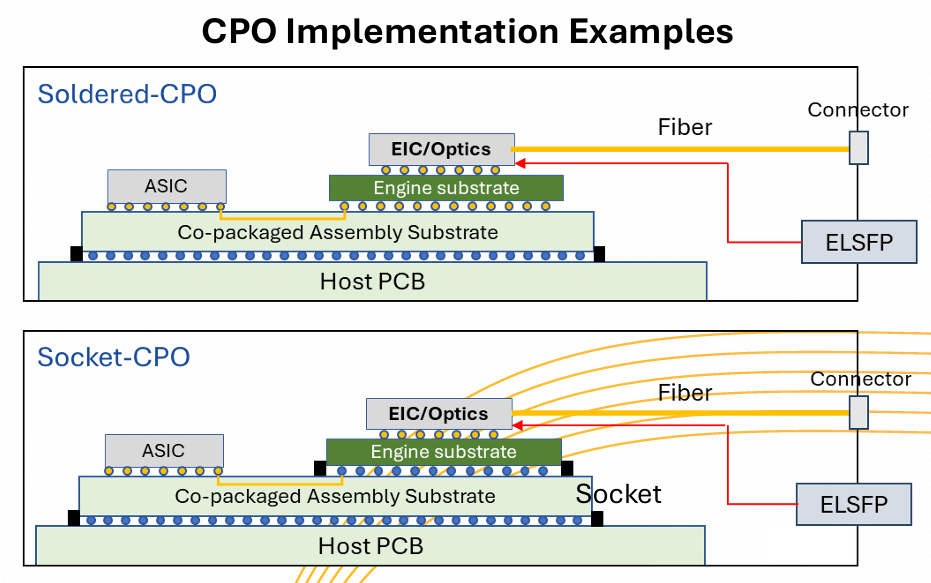
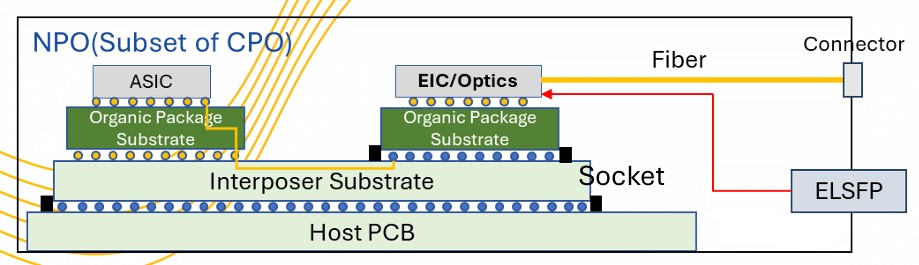
FiberMall provided comprehensive support for optical connectors and fiber components under CPO architectures, encompassing CPO/NPO optical engines (OE), ELSFP modules, optical connectors, panels, midboard solutions, and various fiber assemblies. Additionally, the company is researching two potential paths for 400 Gbps per channel: InP-EML and Thin-Film Lithium Niobate (TFLN) technologies. Overall, the content presented was thorough and informative.
The Growing Demand for Bandwidth and Energy Efficiency in AI Data Centers
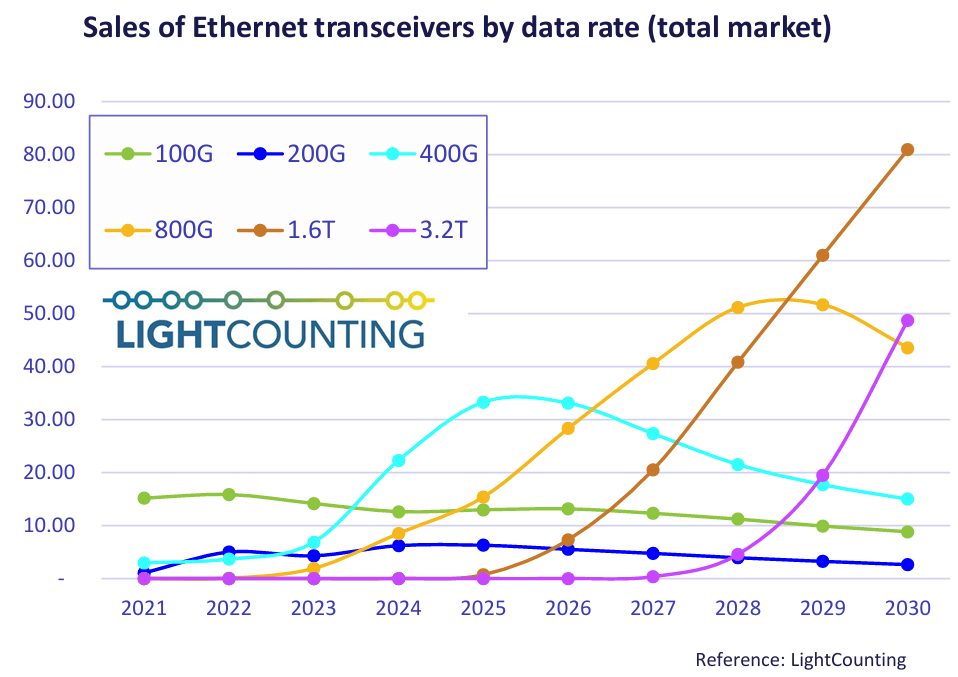
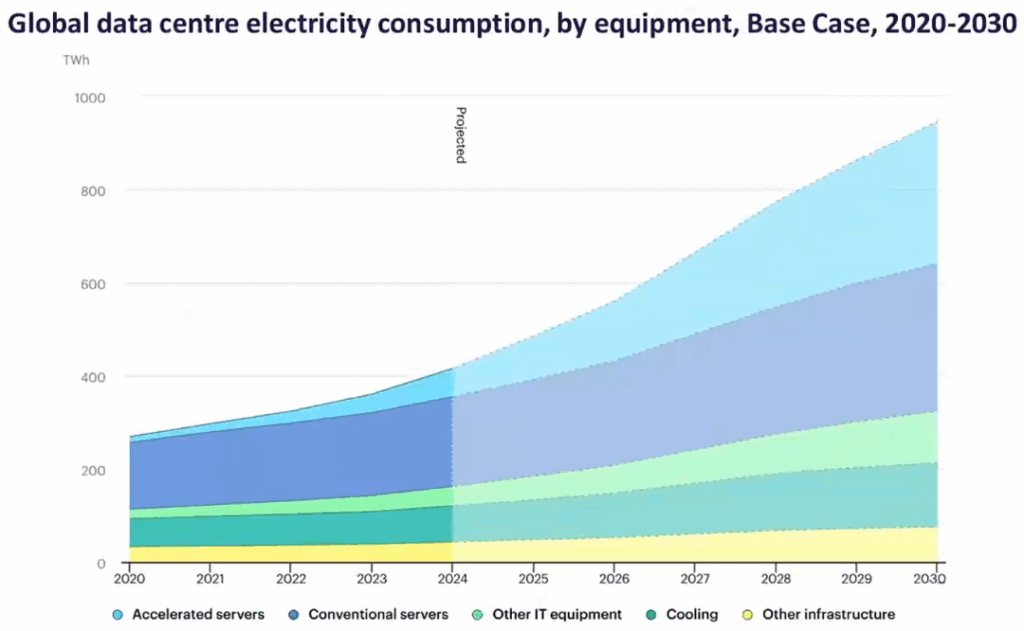
The evolution of AI and machine learning is accelerating the need for greater bandwidth, with 224 Gbps per lane emerging as a critical benchmark. Meanwhile, global data center power consumption is rising significantly. Sales volumes of Ethernet transceivers categorized by speed, along with baseline power usage projections for various equipment from 2020 to 2030, underscore the imperative for improved energy efficiency.
To address escalating computational power and data traffic, enhancing bandwidth while achieving superior energy efficiency has become a core challenge in data center design and operation.
Optical Solutions for AI Interconnects: DSP, LPO, and LRO
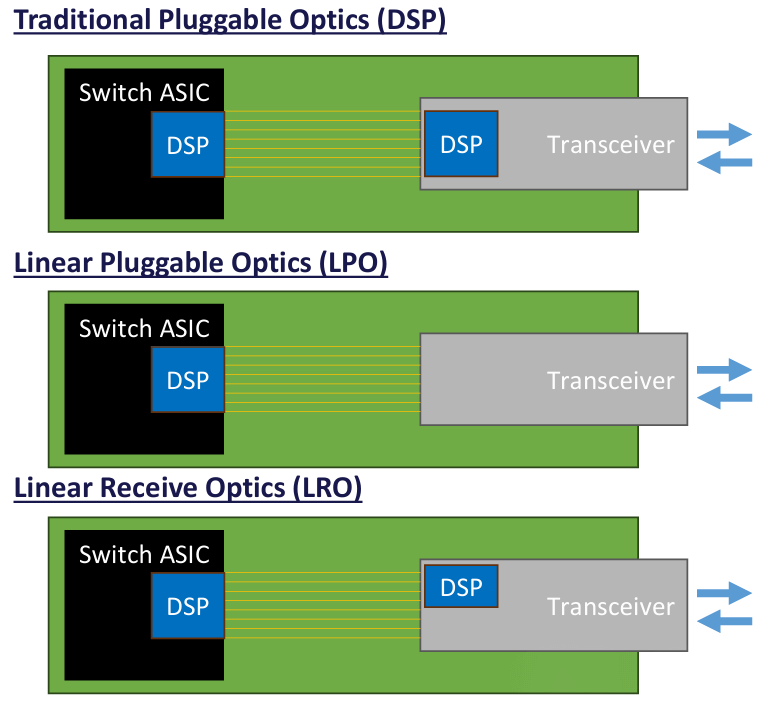
Optical schemes in AI interconnects can be primarily classified into the following categories:
- Full-Equalization DSP Pluggable Modules: These offer robust signal integrity and versatility across diverse operating environments. They feature mature diagnostic and monitoring capabilities, along with proven multi-vendor interoperability, ensuring reliability in large-scale deployments. However, DSP processing introduces higher power consumption and increased latency.
- LPO (Linear Pluggable Optics): By eliminating DSP processing, LPO achieves the lowest module power consumption, simplest design, and lower operating temperatures, delivering maximum efficiency and minimal latency. Monitoring functions are limited, requiring stricter link engineering for performance assurance. Under the LPO MSA specifications, multi-vendor interoperability is supported.
- LRO (Linear Receive Optics): This approach balances power consumption and robustness. Compared to full DSP solutions, LRO significantly reduces power and latency (though higher than LPO) while providing moderate monitoring capabilities and superior reliability over pure LPO. The ecosystem is maturing, with feasibility validated in 1.6T systems.
These three pluggable optical options each offer distinct advantages, allowing targeted selection based on AI system requirements for power, transmission distance, and bandwidth to optimize interconnect performance.
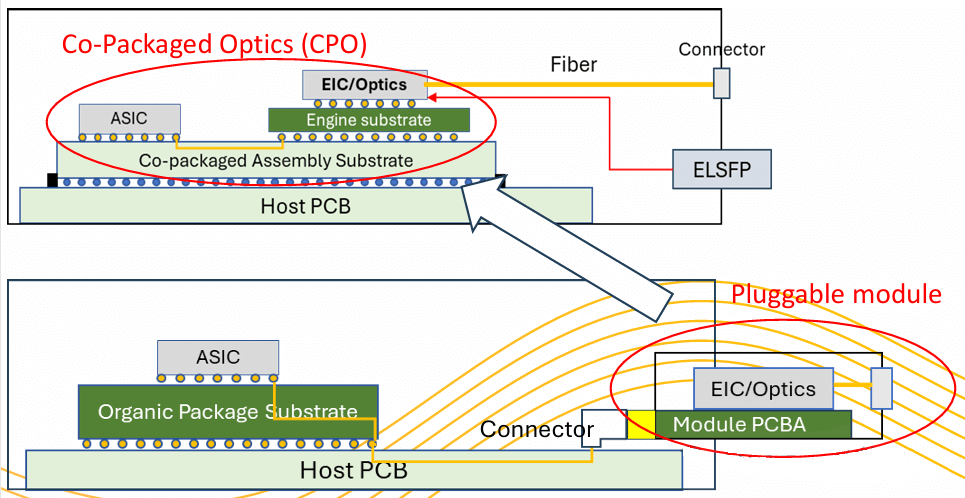
Furthermore, co-packaging optical devices with ASIC chips substantially reduces interconnect losses and dramatically increases bandwidth. Employing linear/direct ASIC drive methods lowers power consumption and shortens response latency. However, this highly integrated approach introduces new challenges in maintenance, reliability, and manufacturing processes, necessitating concurrent considerations in design and production.
Power Consumption Breakdown in AI Accelerators
In AI accelerator power composition, optical modules account for the largest share at approximately 49%, followed by ASICs at 28%, fans at 10%, and ASIC SerDes at 13%.
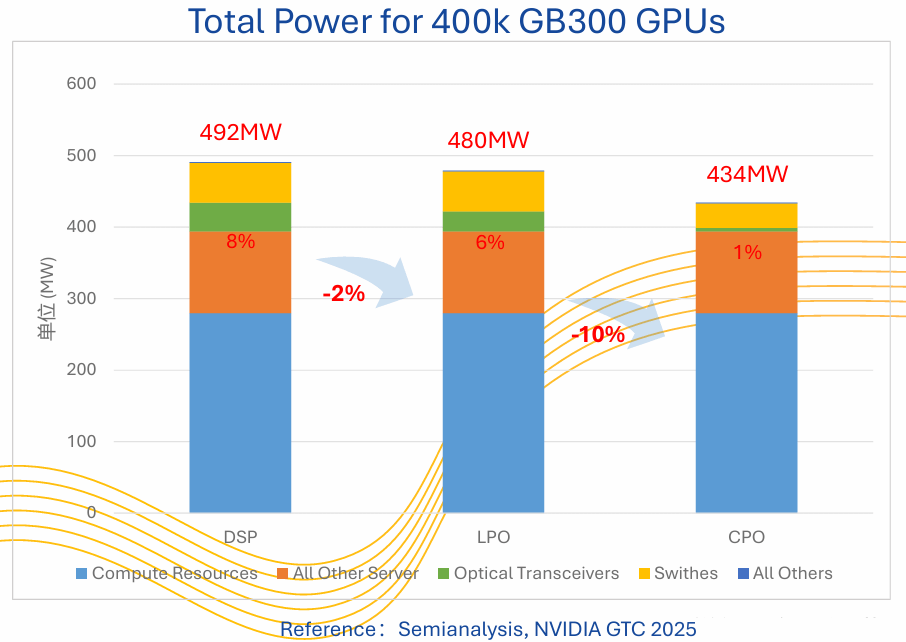
For a cluster of 400,000 GB300 GPUs, power consumption comparisons across optical module types show:
- DSP-based modules: 492 MW total
- LPO: A 2% reduction to 480 MW
- CPO: A further 10% reduction to 434 MW
Through precise power allocation for key components and ongoing energy efficiency improvements, large-scale AI systems can achieve significantly better energy utilization.
DSPs fabricated on 3 nm processes demonstrate substantial power reductions compared to 5 nm versions while maintaining excellent performance. Integrating LRO and LPO technologies further compresses energy use, providing outstanding efficiency for scalable AI computing.
Performance Metrics: Power and Energy Efficiency
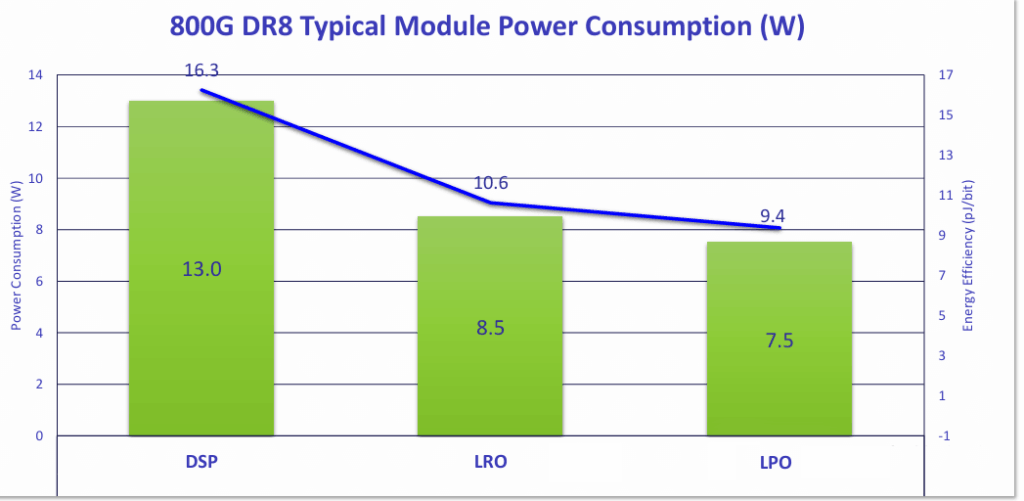
On an 800G DR8 platform:
- DSP: 13 W power, 16.3 pJ/bit efficiency
- LRO: 8.5 W power, 10.6 pJ/bit efficiency
- LPO: 7.5 W power, 9.4 pJ/bit efficiency
On a 1600G 2×DR4 platform:
- DSP: 21 W power, 13.1 pJ/bit efficiency
- LRO: 15 W power, 9.4 pJ/bit efficiency
- LPO: 10 W power, 6.3 pJ/bit efficiency
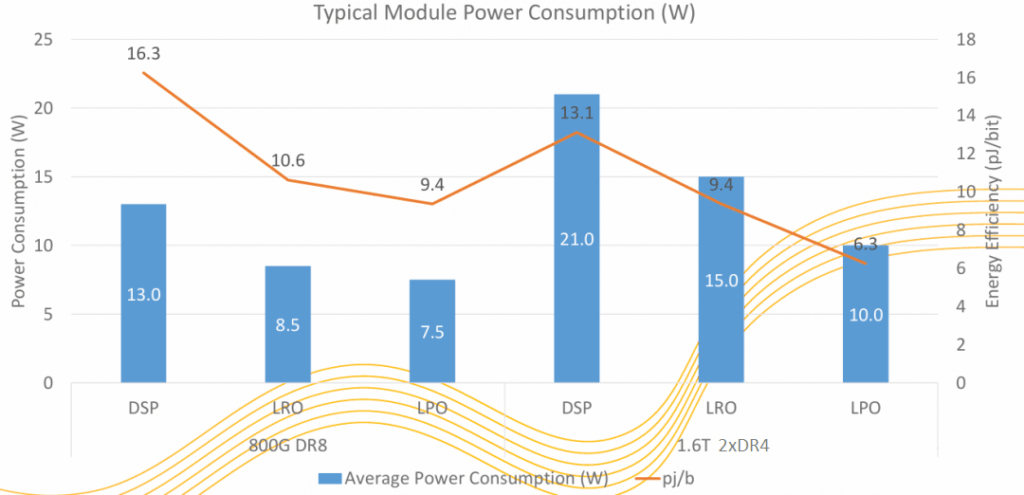
These figures illustrate that while power increases with bandwidth, energy efficiency improves variably, with LPO showing the most pronounced advantages in high-bandwidth scenarios.
LRO demonstrates excellent performance in 1.6 Tb/s OSFP224 2×DR4 and 1.6 Tb/s OSFP224 3 nm DSP+DR8 configurations. Bit Error Rate (BER) measurements across all 8 channels were far below 1e-4, confirming production-level signal integrity.
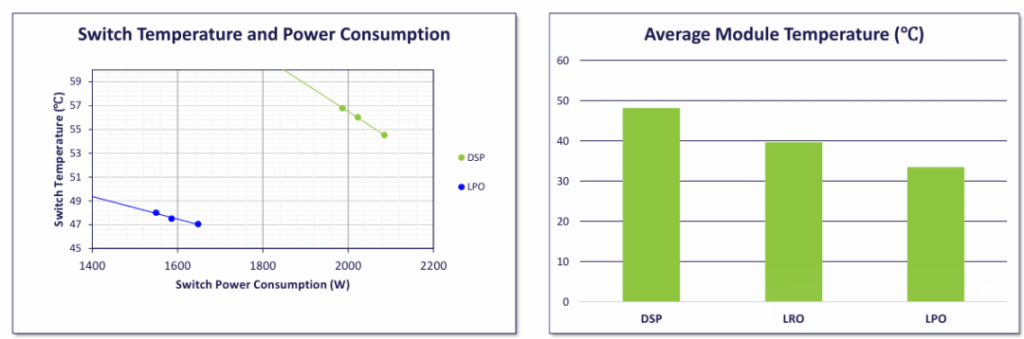
Analysis of power and temperature based on 2,200 data points from 800G DR8 modules, collected at fan speeds of 50%, 75%, and 100%, reveals that LPO significantly reduces cooling system energy needs. Compared to traditional DSP transceivers, LPO lowers heat dissipation temperatures by approximately 15°C under identical conditions, enabling superior energy efficiency and thermal management.
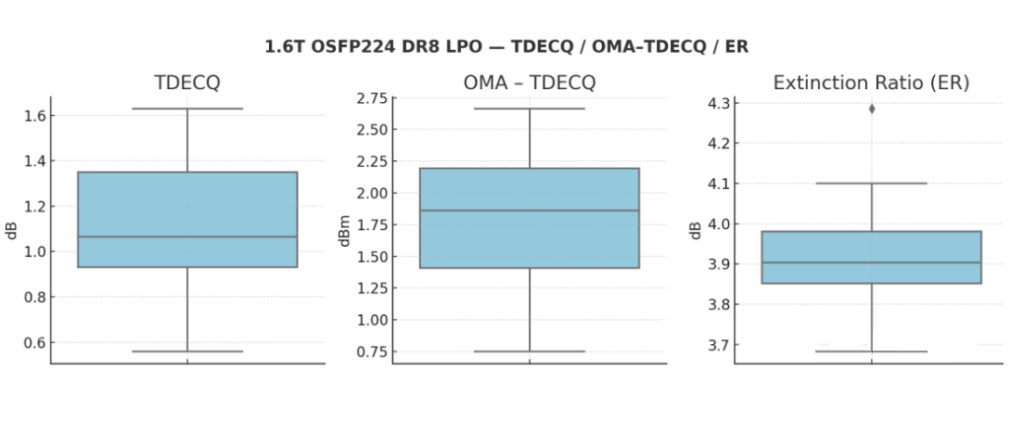
Early testing of 1.6 Tbit/s OSFP224 DR8 LPO indicates readiness for next-generation 1.6T Ethernet LPO applications. Rigorous validations confirm that the module meets or exceeds design targets in high-speed transmission, BER, and power control, affirming reliability and scalability for ultra-high-capacity Ethernet links.
FiberMall has completed end-to-end validation of 1.6 Tb/s OSFP224 2×DR4, with all channels exhibiting BER significantly below specifications, marking readiness for large-scale deployment.
FiberMall is extending 1.6 Tbps OSFP224 support to 2×VR4 (short-reach) and 2×FR4 (medium-reach) links. Detailed eye diagram analysis demonstrates early design maturity and high link stability, aiming for comprehensive coverage from short-distance AI compute clusters to longer spine-leaf interconnects.
Comprehensive Support for CPO Architectures
Under CPO frameworks, FiberMall offers full-range support for optical connectors and fiber components, including CPO/NPO OE, ELSFP, optical connectors, panels, midboard solutions, and diverse fiber assemblies to ensure high reliability and superior performance.
FiberMall also provides advanced fiber connectivity and management solutions. Midboard designs utilize MT tapered ferrule connectors for multi-fiber interconnects, simplifying internal switch fiber management, reducing breakage risks, and enhancing routing flexibility.
Front panels support traditional MPO interfaces alongside Very Small Form Factor (VSFF) options such as MMC and SNMT for high-density applications.
In fiber management:
- Non-crossing fiber routing with cassette-based, pre-molded compact designs for easy installation and maintenance.
- Innovative crossing/mixing solutions:
- 2D Flexible Board Routing: Automated wiring, compact multi-layer stacking for complex routing in limited space, with pre-molded modular designs for rapid assembly and maintenance.
- 3D Matrix Routing: Splice-free, high-performance, reliable fiber cabling.
FiberMall’s CPO/NPO optical engines integrate silicon photonics transceivers for ultra-high-density optical I/O. Initial specifications target 3.2T (32 × 100 Gbps), with seamless scalability to 6.4T (32 × 200 Gbps). Dimensions adhere to OIF standards, with electrical interfaces based on enhanced OIF specifications for broad compatibility. Fiber termination uses MPO pigtails, customizable per application. The system leverages FiberMall’s 2.5D/3D flip-chip packaging platform for reliable high-density encapsulation and excellent thermal performance.
At the exhibition booth, FiberMall demonstrated a 25 dBm output power ELSFP module:
- OIF Version (Beta Sample): Compliant with OIF ELSFP form factor, featuring universal optical/electrical interfaces and dual MT ports; DR architecture in 1310 nm band with 4/8 channels (1304.5–1317.5 nm), SMSR ≥ 40 dB, RIN ≤ -147 dB/Hz, PER up to 16 dB; available in VHP, UHP, and SHP power classes.
- Custom Version (In Development): Supports customized form factors and pass-through applications, compatible with multi-wavelength WDM schemes.
This solution delivers high-power, broad-bandwidth, low-noise performance for demanding high-speed interconnects and multi-wavelength transmission.
Optical path designs emphasize high coupling efficiency, excellent PER, and minimal return loss. PCB designs focus on power conversion efficiency and ultra-low noise. Thermal designs reduce thermal resistance between laser and case, enhancing heat dissipation and ensuring long-term reliability.
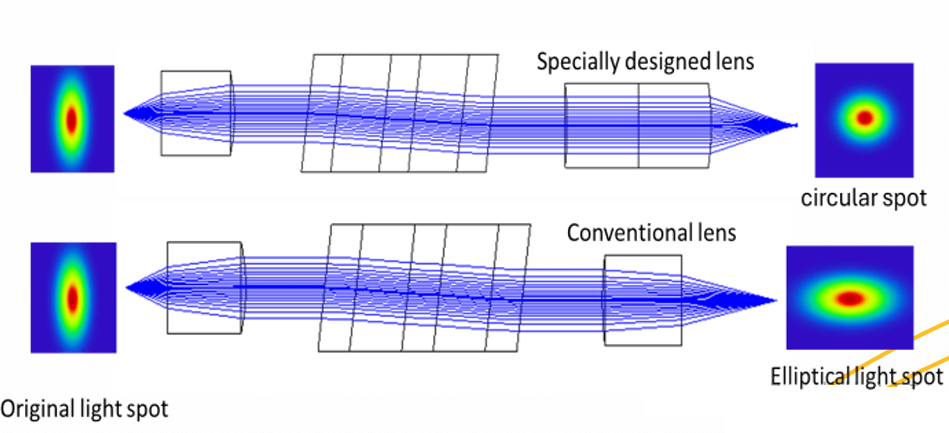
Paths to 400 Gbps per Channel and Beyond
In pursuing 400 Gbps per channel and higher rates, FiberMall’s research centers on breakthroughs in two key optoelectronic devices:
- InP-EAM: Achieving approximately 120 GHz 3 dB bandwidth.
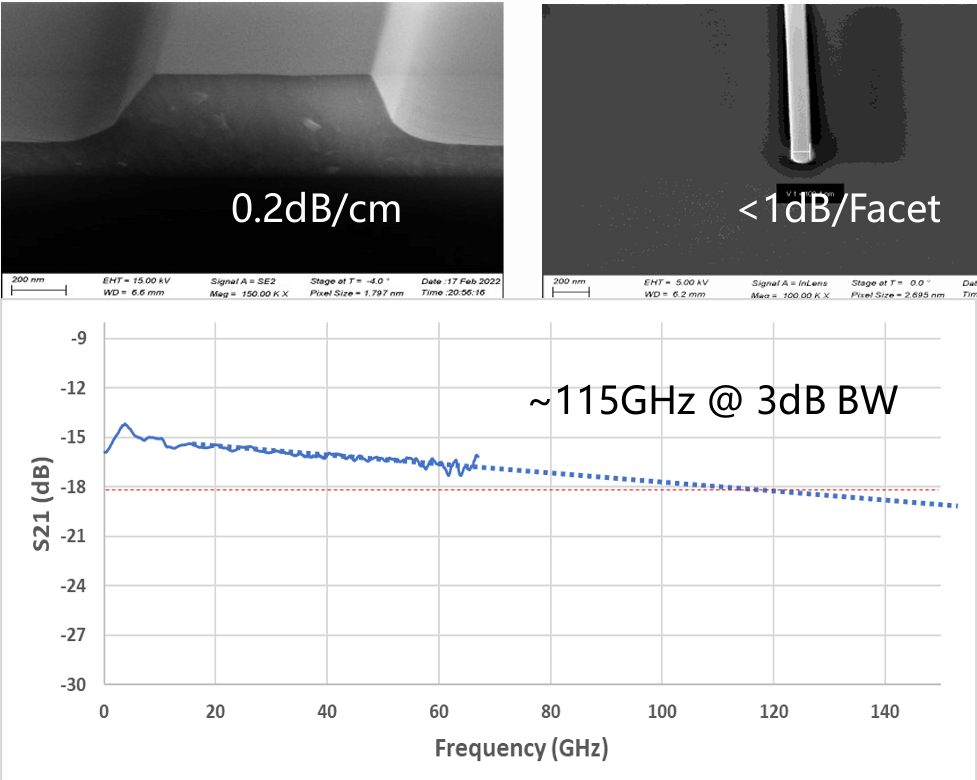
- Silicon-based TFLN modulators: Low loss (~0.2 dB/cm) and coupling loss (~1 dB/facet), ~115 GHz 3 dB bandwidth, 4.5 dB ER at 0.8 Vpp drive.
These advancements enhance efficiency and signal integrity in next-generation ultra-high-speed optical interconnects.
Market Outlook for CPO and High-Power Lasers
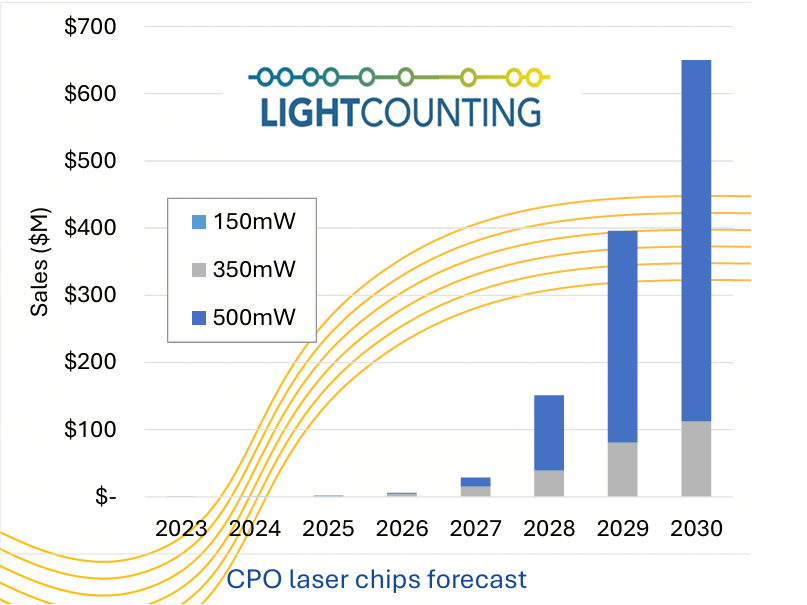
Industry consensus suggests CPO deployment in the “N+2” timeframe, where “N” is the current year. Accordingly, shipments of CPO ports (400G, 800G, 1.6T, 3.2T) are projected to grow rapidly, reaching an overall market size of approximately $5.4 billion by 2030.
Demand for CPO laser chips will rise concurrently, with a 2030 market size of about $650 million. High-power chips (>500 mW) are expected to dominate over 80% of the share, becoming pivotal for high-capacity optical interconnects.
Conclusion: Enabling Scalable, Energy-Efficient AI Infrastructure
In the era of expanding AI compute scales, bandwidth and power constraints are key bottlenecks. To achieve higher throughput within strict power budgets, AI cluster scaling relies on more efficient transmission solutions.
Current transceiver options—DSP, LPO, LRO, and CPO—offer varied trade-offs in distance, efficiency, and integration. LPO has matured at 800 Gbps and 1.6 Tbps, delivering substantial power savings while meeting performance goals. CPO systems, comprising optical engines, external laser sources, and fiber components, are approaching maturity for large-scale adoption.
Collectively, DSP, linear optics, and CPO form a scalable, energy-efficient foundation for AI infrastructure, supporting future demands for greater computational power.
Related Products:
-
 NVIDIA MMS4A00 (980-9IAH1-00XM00) Compatible 1.6T 2 x DR4/DR8 OSFP224 PAM4 1311nm 500m IHS/Finned Top Dual MPO-12 SMF Optical Transceiver Module
$1500.00
NVIDIA MMS4A00 (980-9IAH1-00XM00) Compatible 1.6T 2 x DR4/DR8 OSFP224 PAM4 1311nm 500m IHS/Finned Top Dual MPO-12 SMF Optical Transceiver Module
$1500.00
-
NVIDIA MMS4A50 Compatible 1.6T 2xFR4/FR8 OSFP224 PAM4 1310nm 2km IHS/Finned Top Dual Duplex LC SMF Optical Transceiver Module
$1800.00
-
NVIDIA MMS4A00-RHS Compatible 1.6T 2xDR4/DR8 OSFP224 PAM4 1311nm 500m RHS/Flat Top Dual MPO-12/APC InfiniBand XDR SMF Optical Transceiver Module
$2000.00
-
OSFP-1.6T-4FR2 1.6T OSFP 4FR2 PAM4 1291/1311nm 2km SN SMF Optical Transceiver Module
$3500.00
-
OSFP-1.6T-2FR4 1.6T OSFP 2xFR4 PAM4 2x CWDM4 2km Dual Duplex LC SMF Optical Transceiver Module
$1800.00
-
OSFP-1.6T-DR8D+ 1.6T OSFP DR8D+ PAM4 1311nm 2km Dual MPO-12 SMF Optical Transceiver Module
$3500.00
-
OSFP-1.6T-DR8+ 1.6T OSFP DR8+ PAM4 1311nm 2km MPO-16 SMF Optical Transceiver Module
$3000.00
-
OSFP-1.6T-DR8D 1.6T 2 x DR4/DR8 OSFP224 PAM4 1311nm 500m Dual MPO-12 SMF Optical Transceiver Module
$1500.00
-
OSFP-1.6T-DR8 1.6T 2 x DR4/DR8 OSFP224 PAM4 1311nm 500m MPO-16 SMF Optical Transceiver Module
$3000.00
-
OSFP-XD-1.6T-4FR2 1.6T OSFP-XD 4xFR2 PAM4 1291/1311nm 2km SN SMF Optical Transceiver Module
$5000.00
-
OSFP-XD-1.6T-2FR4 1.6T OSFP-XD 2xFR4 PAM4 2x CWDM4 2km Dual Duplex LC SMF Optical Transceiver Module
$5000.00
-
OSFP-XD-1.6T-DR8 1.6T OSFP-XD DR8 PAM4 1311nm 2km MPO-16 SMF Optical Transceiver Module
$4500.00