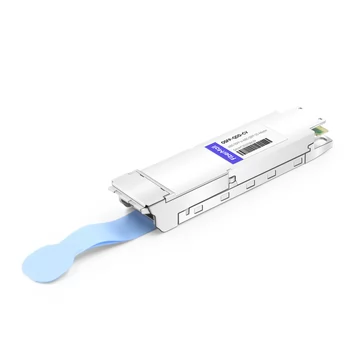
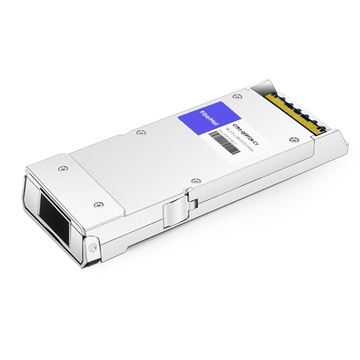
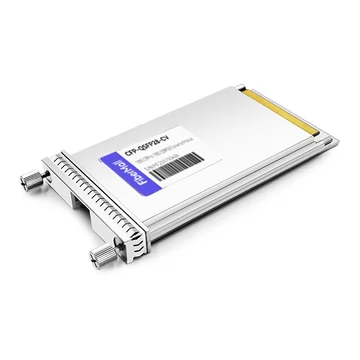
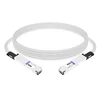
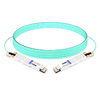
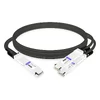
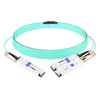
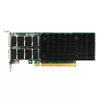
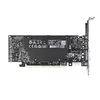
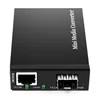
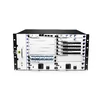
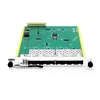
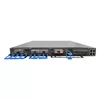
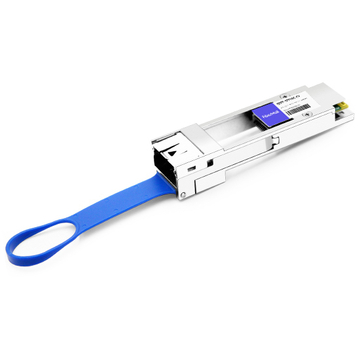
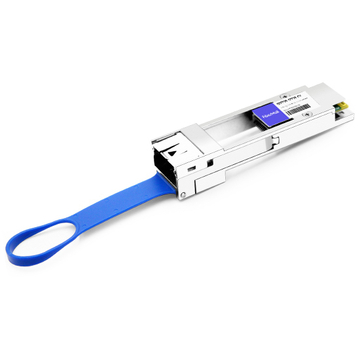
Converter Adapter Module
Contemporary technologies expand solutions to work in neat synergy together in environments that exceed previous levels of sophistication more so than before, increasing design complexity. The adapter converter module is the key solution that allows usability across different applicable systems, thereby establishing ease of interfacing.
Introduction to Converter Adapter Modules
Adapter converter modules are the necessary non-exclusive means allowing physical interconnection or compatibility of systems of different interfaces, protocols, or standards. These modules create a link between otherwise incompatible systems’ components and help in the communication between them. By interpreting signals or converting modes of supply, such as Device A, B, C, and E, systems work together, hence increasing efficiency and connectivity of the linked federated systems. These adapters have also found significance in many sectors, including communication, automation, and consumer electronic devices.
Definition of a converter adapter module
In electronics, a converter adapter module is a device or circuitry that helps differing systems, power sources, or signaling codes work together. This is achieved by converting the electrical current, voltage, or protocol to that of the peripheral device that needs to be attached. Such adapters or converters also facilitate power transfer, help resolve incompatibilities in communication tools, and connect components that would otherwise not work together. Examples include domestic or industry-based equipment that requires external battery voltage (which is alternating current into direct current or vice versa) or different types of electric signals (for example, digital to analogue), as well as converting protocols between devices found within telecommunications, automation, computing, and consumer electronics. It also helps in decreasing adaptation processes while at the same time optimizing the level of efficiency within a system.
Types of Adapter Converters and Their Applications
In general, there are two ways to classify an adapter converter: by form and by application. Power adapters are especially used for the transformation of voltage and/or current, which is to supply the appliances with current safely and effectively. Signal converters are utilized for data or signals change like analog-digital conversion, to ensure compatibility with various systems or devices. Furthermore, protocol converters are the ones used in communicating with other devices that have various communication protocols, which is very much applicable in telecom and automation, among other industries. This kind of equipment helps in building the technology as it makes it all possible in a very efficient manner, so that the systems can work together, sometimes maximizing the functions of some of the systems, and even making the integration of the systems easy.
Step-by-step classification (e.g., AC to DC, DC to AC, voltage converters).
AC to DC Adapter (Rectifier)
This adapter changes alternating current (AC) into direct current (DC) with the help of diodes, bridge rectifiers, or thyristors. These are commonly used in battery chargers, DC power supply equipment, and in light-emitting diode fittings. Since these applications require a constant DC voltage, such systems, known as rectifiers, become mandatory.
DC to AC Adapter (Inverter)
Such devices convert direct current (DC) into alternating current (AC). These form an integral part of renewable energy systems such as solar modules, where the absorbed direct current is converted to alternating current for use in domestic installations or, more appropriately, the grid.
Voltage Adapter Converter
These include circuits that change the voltage level either in an AC or DC system. There are step-up converters that increase voltage levels for high power applications and step-down converters for low voltage level devices. Most of these applications are used in closed environments such as electronics and energy conversion systems.
AC to AC Adapter/Converter
AC to AC converters modulate the frequencies or modify the AC amplitudes directly. For example, a variable frequency drive (VFD) adjusts the speed of an AC motor for optimising energy consumption. The purpose of a transformer is to step down the high voltage of the system in order to allow the AC to flow.
DC to DC Converters
These devices are employed to regulate the DC voltage inside electronic devices. They are used to reduce (buck) or increase (boost) the voltage levels within a circuit. Some applications are found in portable or mobile electronic gadgets like battery chargers or charger adapters, electric vehicles, etc. These devices, as their name implies, hold energy in quite a decent fashion.
How to Select the Right Converter Adapter for Your Needs
To determine which adapter converter is appropriate, start by establishing the exact power requirements in terms of voltage and current for the device. This is because specifying the wrong value could cause it not to work at all, or it may end up getting damaged. Make sure that the adapter can handle the input voltage from your location and works with your device's required output voltage and the appropriate connector. Comply with the required safety and efficiency standards and check its usability to be certain; reliability of the adapter is also a factor, therefore, you will want such products that belong to good brands, as the products have been made, tested, and used in the past. Free-standing devices, such as high-power devices, use high-standard materials, and their rating is very relevant in ensuring functionality as well as the safety of the equipment in use.
Technical parameters to consider (voltage, current capacity, compatibility).
When choosing technical parameters of a power adapter, emphasis should be on the compatibility of the needs of the device with the features of the adapter:
Voltage: Check whether the output voltage of the power supply corresponds to the input voltage that the device accepts. Applying a mismatched voltage will either cause the device to fail or be permanently destroyed. The voltage number is usually easy to find on the adapter, such as 5V, 12V, or 19V, and it must match the device’s voltage.
Amperage: The amperage of the power supply unit (typically denoted in A-ampere) should be compatible with the number of amps that the device needs or more amps than that. For instance, if the device consumes 2A and the adapter converter can supply 3A, then it is fine. Meanwhile, if the current of an adaptor is lower than that necessary, then it may result in overheating or can not be adequately powered.
Type of Connector and Polarity: Before using the product, please check the type and polarity (including pin count) of the adapter converter in relation to the device. Any mismatch will render the adapter unusable and can even harm the device. Also, check if the adapter conforms to other US or international standards like UL, CE, FCC, as each of these carries a mark of brought out safety and performance assurance.
These factors and the proper certifications guide your choice of an adapter; you and your machines are capable of remaining in the state of maximum efficiency, safety, and reliability.
Technological Advances in Converter Adapter Modules
New development trends in converter adapter modules, such as achieving higher power density, miniaturization, recyclability, and self-sufficiency, have been steadily improved. Currently, the technical solution reduces power loss with efficient circuitries. Environment-friendly power consumption. Materials and technologies that enable the downsizing of the devices and their features without affecting the performance have been a serious progression. What is more, the universal characteristics of various manufacturers now encompass all types of equipment with a single adapter. Such upgrades lead to better device resistance, prolonged operational purposes, and support the sustainable development goals and market needs.
Overview of modern innovations (e.g., miniaturization, increased power efficiency).
Updates in technologies, whether it is shrinking in size, working on lower power, or designing for the environment, are known as modern innovations. Shrinkage has done wonders as small and light devices have been made possible with the help of nanotechnology, high-performance materials, and, of course, circuitry. More power efficiency is achieved by using advanced elements like solid-state devices, power adapters or converters, and improvements in battery technology, which lessen the use of power without losing performance. Furthermore, the use of environmentally safe materials in the production, along with managing the use of harmful components in the production, also reduces the level of pollution suffered. All these advances improve the operating parameters of devices but also conform to changes in user preferences as well as new concerns of the marketplace.
Common Challenges and Troubleshooting Tips for Adapter Converters
One universal issue of an adapter converter is the incompatibility of appliances with the power source, which can also create a faulty circuit or a lack of power in the end device. To solve this issue, make sure the adapter converter’s power supply conforms to the voltage and current requirements of the device. Yet another concern many have is over the issue of heat that sometimes fuses elements as a result of continuous use or lack of ventilation. In such cases, it is advisable to keep the adapter in a well-ventilated place and below the maximum load. If there are troubles when connecting, ensure the cable and its plugs are not worn out or broken, and if need be, devices should be replaced. These reassurances and actions can help to solve the majority of the problems encountered in the functionality of the module.
Common issues in converter performance (e.g., overheating, inefficiency).
Some of these problem areas encountered by adapters or converters include overheating, inefficiency, and a component of voltage instability. This overheating or a problem of hot air is mainly caused by high power, improper cooling provision, or running the device for long hours when it is heavily loaded. Overcome this issue by providing sufficient air flow, implementing thermal control devices like heat sinks, and not going over the output capacity. The lack of efficiency, which is also a problem of converters, is the expected energy losses in that process, especially due to poor design, old technologies used, or even infringing the operating conditions of the converter. These losses can be reduced by investing in high-efficiency devices and regularly servicing them. Voltage instability is another common issue and is primarily a result of input power variation, poor grounding, or poor circuit design. To circumvent this problem, use high-quality surge protectors and properly install and periodically check the electrical installation to ensure its correct operation. Fast removal of these issues prevents deterioration of the converter and enhances its performance.
Frequently Asked Questions (FAQs)
What is the principal role of a converter adapter module?
The prime function of a converter adapter module is to adapt from one form of electrical power to another, for instance, voltage transformation, AC to DC conversion, power limitation, and others. In this way, devices and power sources become compatible.
What makes the voltage decrease in converter adapter modules?
Many reasons can lead to a decrease in voltage, among them are unstable power supply, weak grounding, and design issues. To address these concerns, there is the use of a surge protector, proper installation, and preventive maintenance.
What are the measures to be taken to make an adapter converter module last longer?
To improve the working life, factors such as voltage instability should be attended to, maintenance should be carried out often, and conditions under which the module operates should be within the tolerable limits. This includes the use of quality parts and electrical codes.
How can I check an adapter converter's compliance against electrical standards?
These include, but are not limited to, UL, CE, or FCC. However, these certifications are not the only measures that assess its safety and compliance. A user manual should be read by the purchaser, and the company that manufactured the product can also be contacted.