Introduction to Ethernet Transceivers
What is a Transceiver?
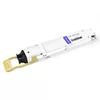
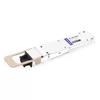
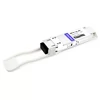
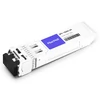
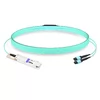
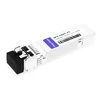
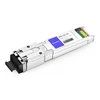
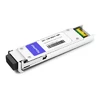
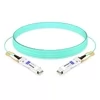
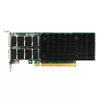
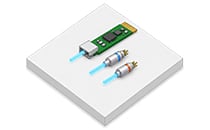
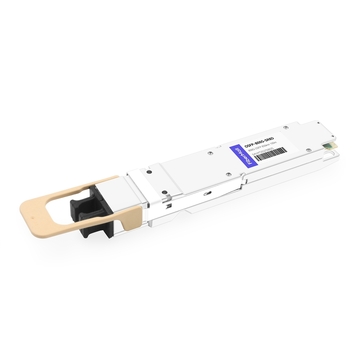
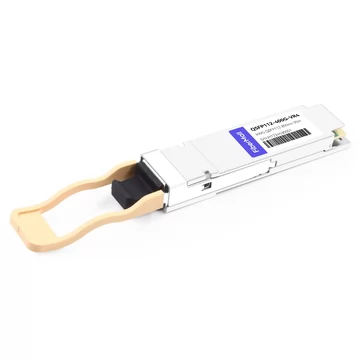
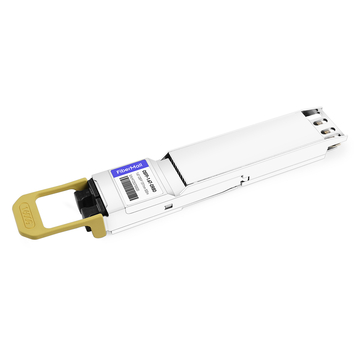
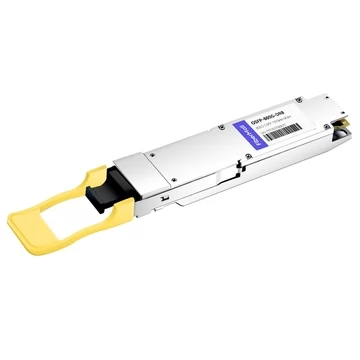
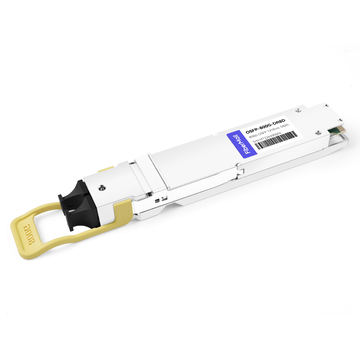
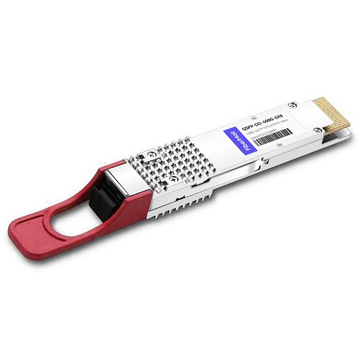
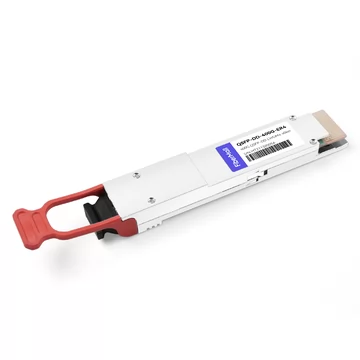
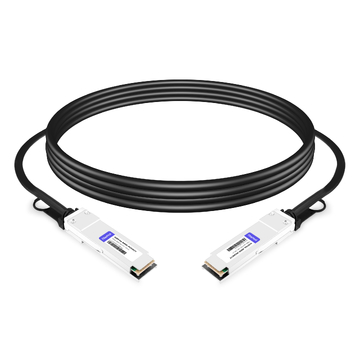
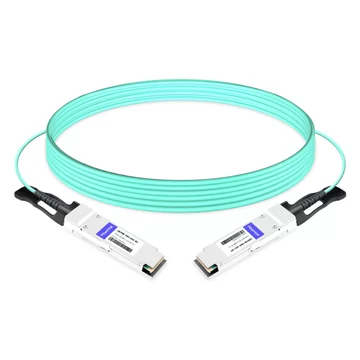
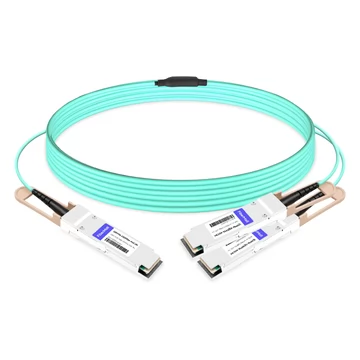
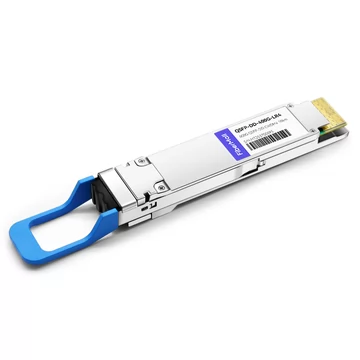
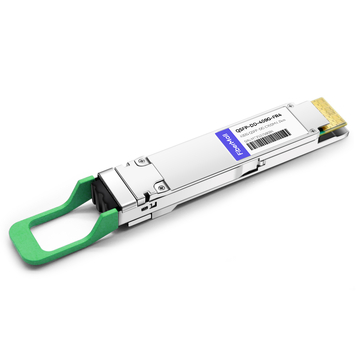
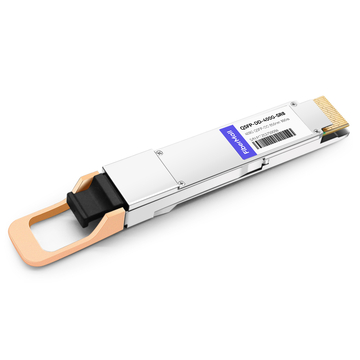
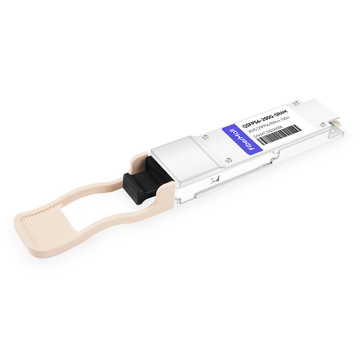
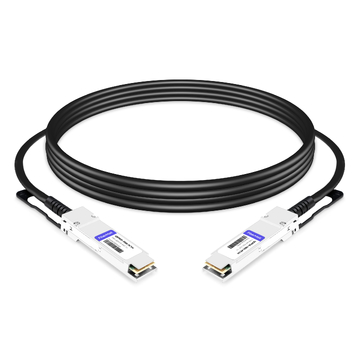
Transceivers function as small integrated devices which combine transmitter and receiver functions to enable data signal transmission and reception through network connections. Transceivers serve as fundamental elements for Ethernet networks because they enable the conversion of electrical signals into optical signals and back to electrical signals which is required for fiber optic transmission. The SFP (Small Form-factor Pluggable) and QSFP (Quad Small Form-factor Pluggable) modules of modern Ethernet transceivers provide multiple data transfer rates which extend over different distances and support various media types.
Importance of Ethernet in Networking
Network professionals depend on Ethernet because it delivers reliable service which scales easily and operates efficiently. It establishes the primary communication framework between devices for both local area networks (LANs) and wide area networks (WANs). Ethernet has developed new technologies such as Gigabit Ethernet and 10/40/100 Gigabit standards to address the requirements which modern cloud computing and AI applications place on its network capabilities. has shown through its recent research that Ethernet technology keeps developing new features such as Power over Ethernet (PoE) and Energy-Efficient Ethernet (EEE) which increase its operational capabilities and environmental benefits.
Overview of Ethernet Transceivers
Ethernet transceivers, which networking professionals commonly call PHY devices, function as essential elements that enable current network infrastructure to operate. The devices enable data transmission and reception through Ethernet cables by transforming digital signals into electrical or optical signals which match the chosen transmission medium. According to latest data, the demand for high-speed transceivers such as 10GbE, 25GbE, and 100GbE continues to grow, driven by trends like cloud computing, big data, and AI workloads. The development of SFP (Small Form-factor Pluggable) modules, which feature compact design, and the optical component integration, which provides compatibility with current network systems and decreases energy use and service expenses.
Types of Ethernet Transceivers
Copper Ethernet Transceivers
The system operates with copper Ethernet transceivers which transmit data through twisted-pair copper cabling and provide a budget-friendly option for networks that require operation between short and medium distances. The transceivers use RJ45 connectors and support 10BASE-T and 100BASE-TX and 1000BASE-T standards which enable them to work with multiple devices and networking systems. The main benefit of copper Ethernet transceivers exists because networks already use copper cabling which enables simple installation and operation of the technology.
Fiber Ethernet Transceivers
Fiber Ethernet transceivers function as sophisticated systems which enable high-speed data transfer through fiber optic cables. Fiber transceivers transmit signals through light whereas copper transceivers use electrical signals to achieve higher speed and better performance through long distances. The technology allows organizations to operate their data centers and telecommunications systems and enterprise networks because it provides high transmission capacity and extended range capabilities. Fiber transceivers deliver better protection against electromagnetic interference which helps maintain stable network connections in areas with strong electrical disturbances.
Comparison of SFP and Modular Transceivers
SFP (Small Form-factor Pluggable) transceivers and modular transceivers both play critical roles in networking and data communication, yet they differ significantly in functionality and application. SFP transceivers function as small devices which users can replace without turning off the system to operate fiber optic cables for long-distance data transmission at high speeds. Data centers and telecommunications networks which require high bandwidth and low latency performance choose these systems as their preferred solution.
Modular transceivers provide users with flexible options because they allow connections through multiple connector types together with different cable standards which support both fiber optic and copper cables. The system adapts well to networks which need to change their setup often together with networks which use different types of connections.
Understanding Ethernet Physical Layer (Ethernet PHY)
The Role of Ethernet PHY in Data Transmission
The Ethernet Physical Layer (Ethernet PHY) serves as a fundamental element which enables networks to conduct data transmission without interruptions. The PHY functions as the connection point which connects data link layer operations to physical medium capabilities by transforming data into signals which can travel through physical cables and wireless transmission. It guarantees that data packets reach their destination with complete accuracy through different transmission paths which include copper wires and fiber optic cables and radio frequency transmission.
Ethernet PHY Standards and Specifications
The operational standards which define Physical Layer device functions depend on Ethernet PHY standards and specifications. The IEEE (Institute of Electrical and Electronics Engineers) 802.3 working group establishes these standards through their development process. The standards establish requirements for speed and signaling technologies and media types which enable devices from different manufacturers to work together without issues.
Ethernet speeds have evolved through multiple developments which introduced standards that extend from 10 Mbps (10BASE-T) to 400 Gbps (IEEE 802.3bs and 802.3cd) and developers now create systems which will achieve 800 Gbps speeds and higher. The 802.3cu standard enables 100 Gb/s and 400 Gb/s Ethernet transmission through single-mode fiber while the 802.3df project develops specifications for Ethernet speeds which will achieve 800 Gbps and 1.6 Tbps.
Compatibility Considerations for Ethernet PHY
When selecting an Ethernet PHY (Physical Layer) the network will achieve its best operational performance through proper compatibility assessment. The evaluation process needs to check whether the system supports standard Ethernet speeds which include 10 Mbps 100 Mbps 1 Gbps and higher rates while considering application requirements. The assessment needs to verify physical interface compatibility because it determines whether the PHY can connect properly to the selected MAC (Media Access Control) layer and network processor.
The assessment needs to examine whether the PHY system works with all required cabling standards which include twisted-pair Ethernet systems and fiber optic connections. Power over Ethernet (PoE) support functions as a critical requirement because it enables IoT devices and powered peripherals to receive simultaneous power and data through one cable. The deployment of Ethernet PHY devices in industrial and harsh environments requires assessment of environmental factors which include operating temperature range and electromagnetic interference (EMI) protection capabilities.
Applications of Ethernet Transceivers
High-Speed Networks: Gigabit and 10 Gigabit Ethernet
Modern high-speed networks depend on Gigabit and 10 Gigabit Ethernet as their foundational technology which enables current digital systems to transfer large amounts of data. The technologies provide faster data transfer, decreased response time, and higher system dependability, which essential for data center operations and cloud computing services, and core network infrastructure. According to the latest data insights derived from search engine, industries are increasingly adopting these high-speed Ethernet solutions to meet the growing demand for bandwidth-intensive tasks such as video streaming, virtual reality, and AI computing. The system achieves seamless operation with real-time applications through its ability to support advanced networking standards such as TSN, while its energy-efficient functions contribute to environmental protection. The shift demonstrates how essential Gigabit and 10 Gigabit Ethernet networks enable future network infrastructure development.
Use Cases for Media Converters
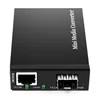
Media converters function as essential components within contemporary networking systems because they connect various media types which include copper and fiber optic cabling to provide continuous network access. The primary application of this technology involves extending network coverage to distant areas. Fiber optic cables enable data transmission across much longer distances than copper cables while media converters permit networks to use this extended range through existing infrastructure without needing total system replacement.
The main purpose of this technology is to link outdated systems with modern network infrastructure. Organizations that still depend on conventional copper systems can use media converters as an affordable solution to link their current systems with fiber-optic networks while keeping their expenses under control during infrastructure upgrades. Media converters establish connections between high-speed fiber optic networks and data center servers or switches through copper interfaces to deliver maximum system efficiency while maintaining system interoperability.
Transceivers in Data Centers and Enterprise Networks
Transceivers operate as essential components which provide data centers and enterprise networks with their necessary high-speed communication capabilities. The small pluggable devices operate as transceivers which convert electrical signals into optical signals for long-distance data transmission through fiber optic cables. Modern data centers depend on SFP and QSFP transceivers to handle increasing network demands while boosting their bandwidth capacity.
Design and Compatibility of Ethernet Transceivers
Selecting the Right Transceiver for Your Network
Your network requires you to identify three primary factors which determine transceiver selection and which include equipment compatibility with your network setup and the necessary data transmission speed and distance limitations. The first step requires you to check whether the transceiver works with your current network equipment which includes switches and routers and servers. The manufacturer specifications should be checked to determine whether the device can operate with the intended device. You need to determine the data rate which your network requires to function properly. Data centers require transceivers that operate at 10G SFP and 25G SFP28 and 100G QSFP28 to manage their network demands. The assessment needs to determine the data transmission distance requirement. Organizations use multimode fiber transceivers for short-distance connections while single-mode fiber transceivers serve the purpose of long-distance connections.
Understanding Connector Types: RJ45, LC, and More
You need to study connector types because their specific functions determine their uses in networking systems. The RJ45 connector has become the most common connector used for Ethernet network connections. The RJ45 connector contains eight physical pins which enable it to connect with twisted pair copper cables that are standard in residential and commercial buildings. The connector serves multiple purposes which make it suitable for both LAN networks and telecommunications applications.
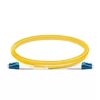
LC (Lucent Connector) serves as a fiber optic connector which engineers designed to deliver compact dimensions and high operational efficiency. People working in data centers prefer LC connectors because these connectors enable fast data transmission over extended distances and their installation process is straightforward. The modern fiber optic systems depend on these components because they provide precise operations which sustain reliable network performance.
Compatibility with Networking Equipment: Cisco, Supermicro, etc.
The testing process needs to verify how well Cisco products work with Supermicro products and other networking devices. Engineers need to verify that the fiber optic connectors and cables they choose work together with Cisco and Supermicro network equipment to ensure the system functions correctly. Cisco systems offer support for various connector types which include LC and SC and MPO connectors according to their transceiver and switch configurations. Supermicro offers advanced server solutions which include multiple networking interfaces but users must choose the correct connector types and cable requirements to ensure proper system functionality.
The use of IEEE 802.3 Ethernet standard and ITU-T optical networking standard compliant connectors ensures effective data transmission. The performance of systems improves when organizations follow equipment manufacturer guidelines because this practice also minimizes potential connection problems. The users who need to verify system requirements for their modern networking installations must consult equipment documentation and support resources to achieve optimal system performance.
Frequently Asked Questions (FAQs)
What is an Ethernet transceiver?
An Ethernet transceiver operates as a small device which users can install into their systems to establish a connection between network equipment and data cables. The device operates by transmitting and receiving network data to maintain uninterrupted system communication.
Are all Ethernet transceivers the same?
No, they come in many different types and speeds. You must match the transceiver to your specific cable type, such as copper or fiber optic, and your required network speed.
How do I know if a transceiver is compatible with my equipment?
You need to check the brand and model of your network switch. Many brands require specific coded transceivers to function properly, though some hardware accepts universal or third-party options.
Can we replace a transceiver while the network switch is running?
Most modern transceivers support hot-swappable functionality according to their design. The system design enables users to connect or disconnect devices without needing to shutdown their network systems which results in uninterrupted system operation.
What is the difference between copper and fiber transceivers?
Copper transceivers connect standard network cables for shorter distances and lower costs. Fiber transceivers use light to transmit data which enables them to send information over extended distances while achieving extremely high data transfer rates.