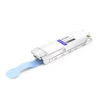
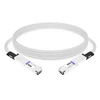
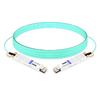
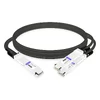
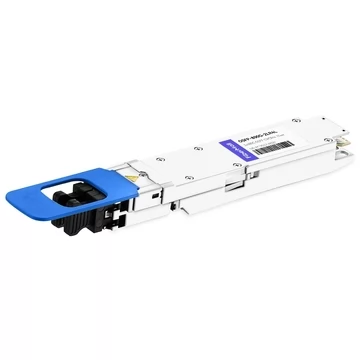
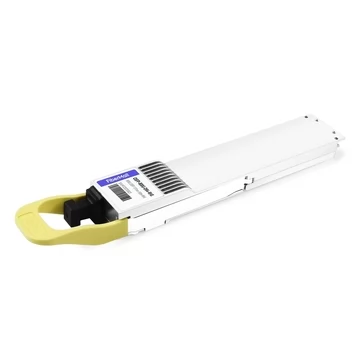
What is 800G NDR Infiniband?
800G NDR (Next Data Rate) Infiniband represents the cutting edge of high-performance computing interconnects, delivering unprecedented data transfer speeds of 800 gigabits per second. As the latest generation in the Infiniband roadmap, NDR technology is specifically engineered for the most demanding data center workloads, including artificial intelligence training, high-performance computing (HPC), cloud infrastructure, and enterprise storage systems.
The Evolution of Infiniband Technology
Infiniband has evolved significantly since its introduction in 2000. The technology roadmap includes several generations:
- ●SDR (Single Data Rate): 2.5 Gbps (2001)
- ●DDR (Double Data Rate): 5 Gbps (2005)
- ●QDR (Quad Data Rate): 10 Gbps (2007)
- ●FDR (Fourteen Data Rate): 14.0625 Gbps (2011)
- ●EDR (Enhanced Data Rate): 25.78125 Gbps (2014)
- ●HDR (High Data Rate): 50 Gbps (2018)
- ●NDR (Next Data Rate): 100 Gbps (2022) - Current Generation
- ●XDR (eXtended Data Rate): 200 Gbps (Future)
NDR represents a quantum leap forward, offering 100 Gbps per lane with support for up to 8 lanes in a single connection.
800G NDR Infiniband Architecture and Performance
Core Technical Specifications
800G NDR Infiniband operates at 100 Gbps per lane, utilizing advanced PAM-4 signaling and sophisticated error correction mechanisms. The technology supports multiple connector types and cable lengths to accommodate various deployment scenarios.
Key Performance Metrics
- ●Raw Bandwidth: 800 Gbps (bidirectional)
- ●Latency: Sub-microsecond (<600 nanoseconds)
- ●CPU Overhead: Near-zero with RDMA support
- ●Power Efficiency: Optimized for modern data center requirements
- ●Scalability: Supports up to 32,768 nodes in a single fabric
Connector Types and Applications
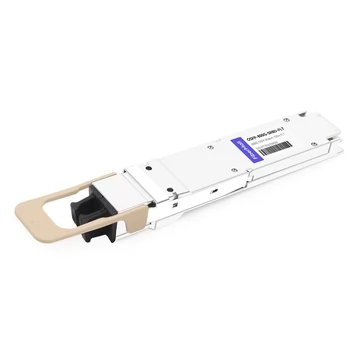
SR8 (Short Reach 8)
- ●Wavelength: 850nm multimode
- ●Distance: Up to 100 meters
- ●Fiber Type: OM4/OM5 multimode fiber
- ●Use Cases: Intra-rack and adjacent rack connections
- ●Advantages: Cost-effective for short-distance high-speed connections
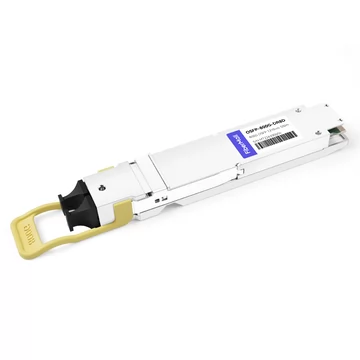
DR8 (Distant Reach 8)
- ●Wavelength: 1310nm single-mode
- ●Distance: Up to 500 meters
- ●Fiber Type: OS2 single-mode fiber
- ●Use Cases: Campus and data center interconnect
- ●Advantages: Extended reach without signal regeneration
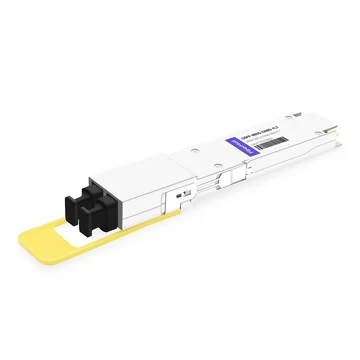
FR4 (Far Reach 4)
- ●Wavelength: 1310nm single-mode
- ●Distance: Up to 2 kilometers
- ●Fiber Type: OS2 single-mode fiber
- ●Use Cases: Metro and long-distance data center interconnect
- ●Advantages: Maximum distance coverage for distributed architectures
NVIDIA ConnectX-7 and Quantum-2 Integration
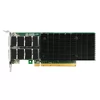
NVIDIA ConnectX-7 Adapter Cards
The NVIDIA ConnectX-7 series represents the pinnacle of network interface card design, specifically optimized for 800G NDR Infiniband deployments:
Key Features
- ●Dual-Port 800G NDR Support: Full bandwidth utilization
- ●Advanced Security: Hardware-based encryption and isolation
- ●Storage Acceleration: GPUDirect Storage integration
- ●AI Optimization: Enhanced support for distributed training
- ●Power Management: Dynamic power scaling based on workload
Form Factors Available
- ●MCX755106AS-HEAT: PCIe Gen 5.0 x32, dual-port 800G
- ●MCX755206AS-HEAT: PCIe Gen 5.0 x32, dual-port 800G with enhanced cooling
- ●MCX713104AS-HEAT: PCIe Gen 4.0 x16, single-port 800G
NVIDIA Quantum-2 Switch Platform
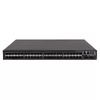
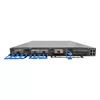
The Quantum-2 series provides the switching infrastructure for 800G NDR fabrics:
Switch Specifications
- ●Port Density: Up to 64 ports of 800G NDR
- ●Switching Capacity: 51.2 Tbps
- ●Latency: 90 nanoseconds port-to-port
- ●Power Efficiency: Industry-leading performance per watt
Management and Monitoring
- ●Unified Fabric Manager (UFM): Comprehensive fabric management
- ●Telemetry: Real-time performance monitoring
- ●Automation: API-driven configuration and optimization
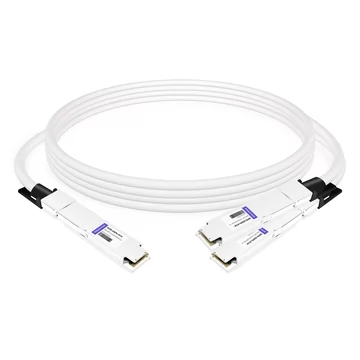
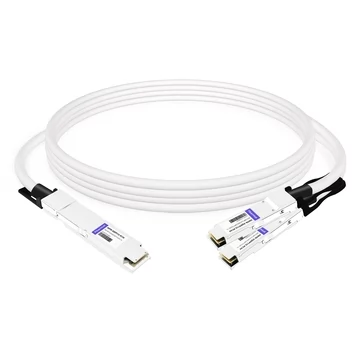
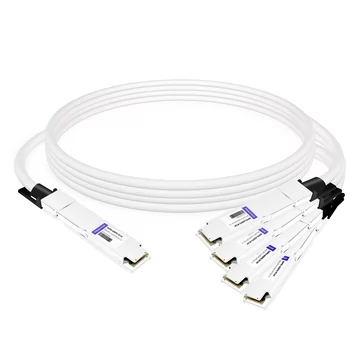
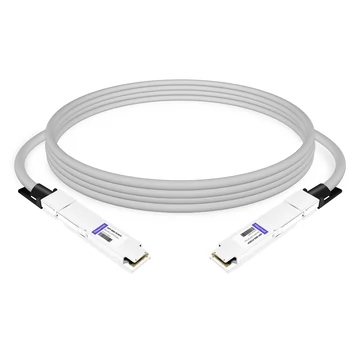
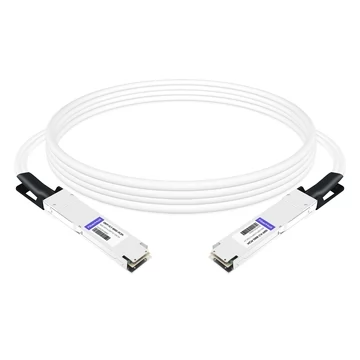
Copper Cable Solutions for 800G NDR
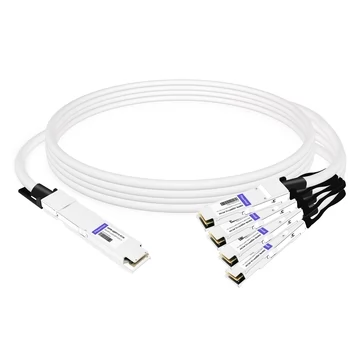
Passive Copper Cables
For short-distance connections within racks and adjacent racks, passive copper cables provide cost-effective solutions:
Length Options
- ●0.5m - 2m: Standard rack-internal connections
- ●3m - 5m: Adjacent rack connections
- ●Up to 7m: Extended reach passive solutions
Key Specifications
- ●Data Rate: 800G NDR (100Gbps × 8 lanes)
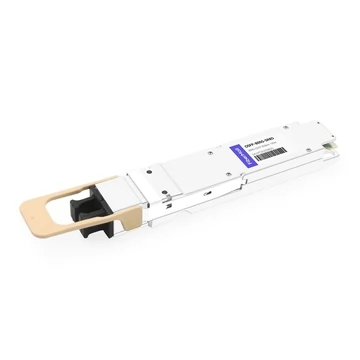
- ●Connector Type: OSFP or QSFP-DD800
- ●Power Consumption: Ultra-low power draw
- ●EMI Compliance: Meets all regulatory requirements
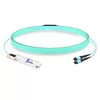
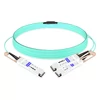
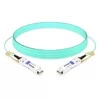
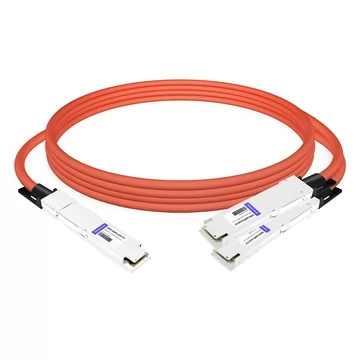
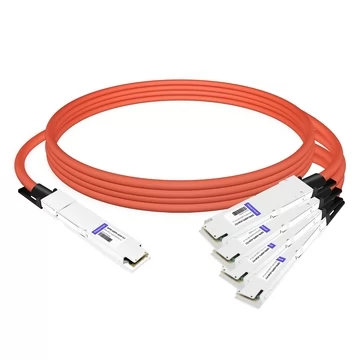
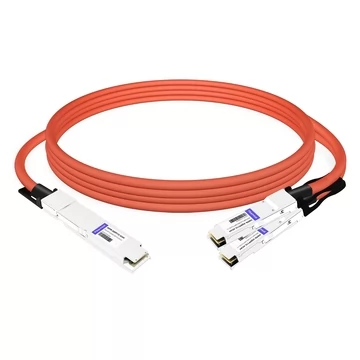
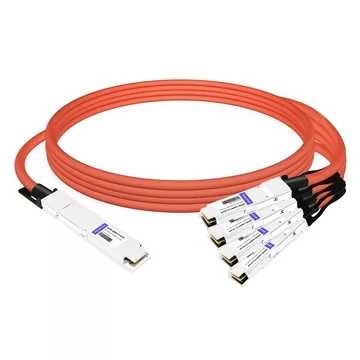
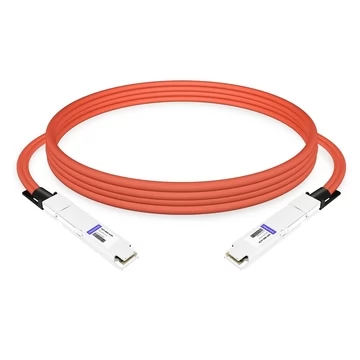
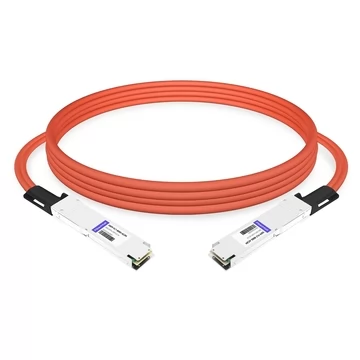
Active Optical Cables (AOCs)
Active optical cables combine the flexibility of fiber optics with the ease of copper deployment:
Advantages
- ●Extended Reach: Up to 100 meters
- ●Flexible Routing: Easy cable management
- ●Power Efficiency: Integrated signal conditioning
- ●Cost Optimization: Reduced infrastructure costs
Performance Benchmarks and Real-World Results
AI Training Acceleration
800G NDR Infiniband has demonstrated significant performance improvements in AI workloads:
Distributed Training Results
- ●ResNet-50: 2.3× faster convergence
- ●BERT Large: 1.8× reduction in training time
- ●GPT-3 Scale: Improved scaling efficiency by 40%
HPC Performance Gains
High-performance computing applications show substantial benefits:
Scientific Computing Benchmarks
- ●Molecular Dynamics: 3.1× performance improvement
- ●Weather Modeling: 2.7× faster simulation times
- ●Genomic Analysis: 2.4× acceleration in processing
Storage Performance
Modern storage architectures leverage 800G NDR for enhanced performance:
NVMe-oF Performance
- ●IOPS: Up to 1.2 million random read IOPS
- ●Throughput: 100GB/s per connection
- ●Latency: Sub-10 microsecond access times
Deployment Considerations and Best Practices
Network Topology Design
Fat Tree Architecture
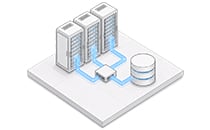
Modern data center designs utilize fat tree topologies to maximize bisectional bandwidth:

Benefits of Fat Tree Design
- ●Non-blocking Architecture: Full bisectional bandwidth
- ●Scalability: Easy addition of compute resources
- ●Fault Tolerance: Multiple paths between any two nodes
- ●Load Balancing: Distributed traffic patterns
Power and Cooling Optimization
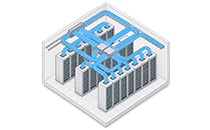
800G NDR deployments require careful consideration of power and thermal management:
Power Budget Planning
- ●Adapter Cards: 25-35W per dual-port card
- ●Switch Power: 15-20W per 800G port
- ●Cable Solutions: Minimal additional power draw
Thermal Management
- ●Airflow Requirements: Adequate cooling for high-density deployments
- ●Hot/Cold Aisle: Optimized data center layout
- ●Liquid Cooling: Optional for maximum density
Migration Strategies
From HDR to NDR
Organizations upgrading from 200G HDR can leverage existing infrastructure:
- ●Cable Reuse: Many HDR cables remain compatible
- ●Incremental Upgrade: Phased migration approach
- ●Mixed Environment: HDR and NDR coexistence during transition
Industry Adoption and Future Outlook
Current Market Leaders
Major cloud providers and HPC facilities have adopted 800G NDR:
Cloud Infrastructure
- ●Microsoft Azure: Large-scale NDR deployments
- ●Google Cloud: AI-optimized NDR fabrics
- ●Amazon Web Services: High-performance computing instances
Supercomputing Centers
- ●Oak Ridge National Laboratory: Summit and Frontier systems
- ●Argonne National Laboratory: Aurora supercomputer
- ●European HPC Centers: Multiple NDR installations
Future Developments
The roadmap beyond NDR includes:
XDR (200G per lane)
- ●Timeline: 2026-2027 expected availability
- ●Performance: 1.6 Tbps per connection
- ●Applications: Exascale computing requirements
Advanced Features
- ●AI-Optimized Transport: Specialized protocols for AI workloads
- ●Quantum-Safe Security: Post-quantum cryptographic capabilities
- ●Integrated Photonics: On-chip optical interconnects
Choosing the Right 800G NDR Solution
Decision Framework
Application Requirements
- ●AI/ML Training: Prioritize low latency and high bandwidth
- ●HPC Workloads: Focus on message passing efficiency
- ●Storage Systems: Emphasize IOPS and throughput
- ●Cloud Infrastructure: Consider scalability and management
Infrastructure Constraints
- ●Existing Fiber: Leverage current cabling investments
- ●Power Budget: Evaluate total cost of ownership
- ●Rack Density: Optimize for space utilization
- ●Future Growth: Plan for multi-year scalability
Cost-Benefit Analysis
Performance vs. Cost
- ●Copper Solutions: Lowest cost for short distances
- ●SR8 Optics: Optimal balance for most deployments
- ●DR8/FR4 Optics: Premium performance for extended reach
Total Cost of Ownership
- ●Initial Investment: Hardware and installation costs
- ●Operational Expenses: Power, cooling, and maintenance
- ●Productivity Gains: Accelerated application performance
800G NDR Infiniband represents the state-of-the-art in high-performance networking, delivering the bandwidth and latency characteristics required for next-generation data center workloads. Whether you're building AI infrastructure, high-performance computing clusters, or cloud-scale storage systems, NDR technology provides the foundation for unprecedented performance and efficiency.
The combination of NVIDIA ConnectX-7 adapters, Quantum-2 switches, and optimized cable solutions creates a complete ecosystem that addresses the most demanding networking requirements. As data-intensive applications continue to evolve, 800G NDR Infiniband stands ready to meet the challenges of tomorrow's computing landscape.