Fiber to Ethernet Converters: Extend Copper Networks Over Fiber Without Replacing Your Infrastructure
Copper Ethernet is limited to a maximum channel length of 100 meters under IEEE specifications. A fiber-to-Ethernet media converter bridges this distance limitation by converting electrical Ethernet signals from copper cabling into optical signals transmitted over fiber. This allows networks to span campuses, connect multiple buildings, or reach remote industrial locations without replacing existing switches, servers, cameras, or other Ethernet devices.
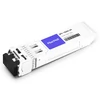
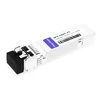
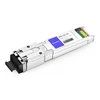
FiberMall Ethernet media converters extend copper networks over single-mode and multimode fiber with SFP or fixed-fiber options supporting speeds from 100 Mbps to 10G. They provide a cost-effective way to upgrade network reach while maintaining existing Ethernet infrastructure.
Copper Ethernet Stops Where Your Network Needs to Go
The 100-meter limit of standard copper Ethernet is a physical limitation defined by Ethernet cabling standards, not a configuration setting. When a security camera is installed 400 meters away from a network switch, or when a remote building needs to connect to a campus backbone, copper cabling alone cannot provide a reliable Ethernet connection.
Extending copper beyond this distance can result in signal loss, reduced performance, and link instability. Replacing all copper-based endpoints with fiber-native equipment is often expensive, time-consuming, and unnecessary.
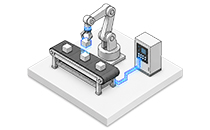
Electromagnetic interference (EMI) can further complicate copper deployments in industrial environments. Motors, generators, and heavy machinery can introduce electrical noise into copper cabling, potentially causing packet errors, intermittent connectivity, and difficult-to-troubleshoot network failures. In addition, direct copper connections between separate buildings may create ground-loop risks that can affect equipment reliability.
The practical solution is to convert Ethernet signals at the network edge. A media converter allows existing copper switches and endpoints to communicate over fiber links, extending network distance while avoiding a complete infrastructure replacement.
Fiber to Ethernet Converters: Bridge Copper and Fiber Without Rebuilding the Network
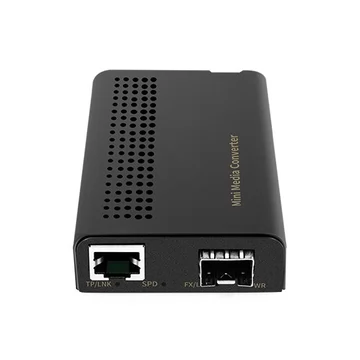
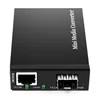
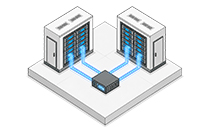
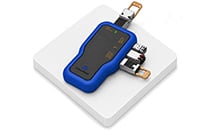
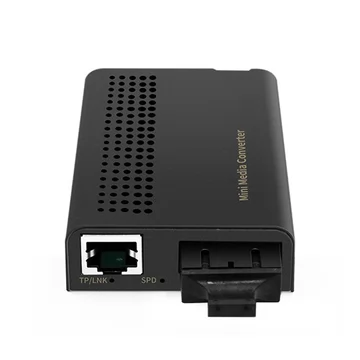
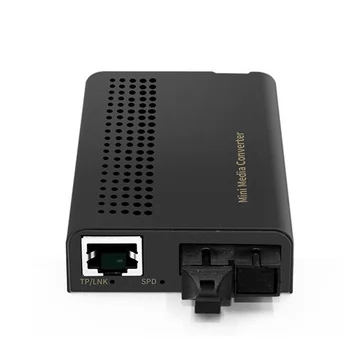
A fiber to Ethernet converter, also known as an Ethernet media converter or copper-to-fiber media converter, is a compact networking device that converts electrical Ethernet signals carried over copper into optical signals transmitted through fiber, or converts optical signals back into electrical Ethernet signals.
Because basic unmanaged media converters operate at the physical layer, they are transparent to higher-layer network protocols and can typically work with Ethernet switches, routers, and endpoints from different manufacturers without requiring network reconfiguration.
This simple conversion process removes three major barriers when extending Ethernet networks:
Reduce infrastructure costs — Existing copper-based switches, cameras, access points, and other Ethernet devices can remain in service. Only the links that require longer-distance connectivity need to be upgraded to fiber.
Improve reliability and reduce downtime — Fiber optic cabling is immune to electromagnetic interference and does not create electrical ground-loop issues between buildings, making it ideal for industrial environments, outdoor links, and electrically noisy locations.
Extend network reach beyond copper limitations — Fiber media converters can extend Ethernet connections from the standard 100-meter copper limit to several kilometers or even tens of kilometers, depending on the fiber type, optical module, and network requirements.
How to Choose a Fiber to Ethernet Converter
Choosing the right Ethernet media converter depends on four key factors: fiber type, converter interface, network speed, and deployment environment.
Single-Mode or Multimode Fiber?
Multimode fiber is commonly used for short-distance, cost-sensitive deployments such as enterprise buildings, data centers, and local network connections. It typically operates at an 850 nm wavelength and supports distances ranging from several hundred meters depending on the fiber grade and Ethernet speed.
For example, 10G Ethernet using multimode fiber typically supports approximately 300 meters over OM3 fiber and up to 400 meters over OM4 fiber when using standard SR optics.
Single-mode fiber is designed for longer-distance transmission and typically operates at 1310 nm or 1550 nm wavelengths. It is commonly used for connections ranging from 10 km to 40 km or more depending on the optical module specification and network design.
As a general guideline, multimode fiber is usually preferred for links within a few hundred meters, while single-mode fiber is the better choice for longer-distance connections beyond typical multimode limits.
SFP Slot or Fixed Port?
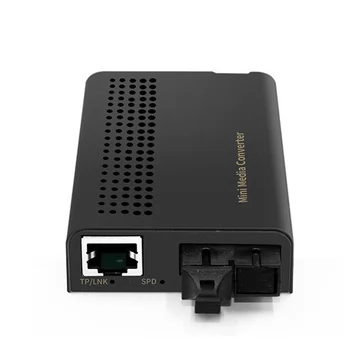
A fixed-port media converter includes an integrated optical transceiver that permanently supports a specific fiber type, wavelength, and transmission distance. It is suitable for simple, dedicated links where the fiber requirements are already known.
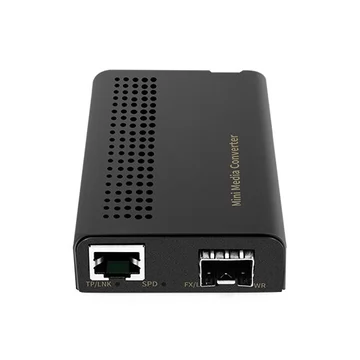
An SFP-slot media converter provides greater flexibility because the optical module determines the transmission characteristics. By selecting different SFP or SFP+ modules, users can change the supported distance, wavelength, and fiber type without replacing the entire converter.
For example, the same SFP media converter chassis can support:
• Short-distance multimode links using 850 nm SFP modules.
• Standard single-mode links using 1310 nm SFP modules.
• Long-distance links using higher-power or extended-reach optical modules.
SFP-based converters are usually the preferred choice for networks that may expand or require future upgrades.
What Speed Do You Need?
Ethernet media converters are available in multiple speed options, including:
• 10/100 Mbps Fast Ethernet
• 10/100/1000 Mbps Gigabit Ethernet
• 2.5 Gigabit Ethernet
• 10 Gigabit Ethernet
The converter speed should match the Ethernet interfaces of the connected devices. A Gigabit Ethernet switch requires a Gigabit media converter, while a 10G Ethernet link requires a converter equipped with an SFP+ slot.
For 10G deployments, users should also verify compatibility between the SFP+ optical module, fiber type, wavelength, and transmission distance.
Do You Need PoE or an Industrial Rating?
Fiber optic cables transmit data but do not provide electrical power. If the remote device requires power, such as an IP camera, wireless access point, or VoIP phone, a PoE fiber media converter should be selected.
A PoE media converter provides power through the copper Ethernet port while using fiber as the long-distance data transmission medium.
For outdoor, factory, transportation, or harsh industrial environments, an industrial-grade media converter is recommended. These models typically support wider operating temperature ranges, such as -40°C to +75°C or higher, and may include DIN-rail mounting options for reliable installation in industrial cabinets.
Frequently Asked Questions
What is a fiber to Ethernet converter used for?
A fiber to Ethernet converter, also called an Ethernet media converter or copper-to-fiber converter, converts electrical Ethernet signals from copper cabling into optical signals transmitted over fiber, or converts optical signals back into electrical Ethernet signals.
It allows copper-based Ethernet devices to communicate over fiber optic links, extending network connections beyond the standard 100-meter copper limitation. Media converters are commonly used for connecting remote buildings, extending surveillance camera networks, linking industrial equipment, and integrating fiber backbone connections with existing copper Ethernet devices.
What is the difference between single-mode and multimode fiber?
Multimode fiber has a larger core diameter and is typically used for short-distance network connections. Most multimode Ethernet applications operate at an 850 nm wavelength and are commonly deployed inside buildings, data centers, and campus networks where distances are usually within several hundred meters.
For example, 10G Ethernet over multimode fiber typically supports approximately 300 meters on OM3 fiber and up to 400 meters on OM4 fiber when using standard SR optical modules.
Single-mode fiber has a much smaller core diameter, allowing optical signals to travel longer distances with lower attenuation. It commonly uses 1310 nm or 1550 nm wavelengths and supports transmission distances from 10 km to 40 km or more depending on the optical module, fiber type, and network design.
Should I choose an SFP-slot or a fixed-port converter?
A fixed-port media converter is suitable for simple deployments where the fiber type, wavelength, connector type, and transmission distance are already determined. It provides a straightforward plug-and-play solution for a dedicated network link.
An SFP-slot media converter provides greater flexibility because the SFP or SFP+ optical module determines the transmission distance, wavelength, and fiber type. Users can replace the optical module to support different network requirements without replacing the entire converter.
For example, an SFP-based converter can support short-distance multimode connections, standard single-mode links, or longer-distance fiber connections by selecting the appropriate optical transceiver.
For networks that may require future expansion or different fiber specifications, an SFP-slot converter is usually the more flexible option.
How far can a fiber media converter transmit?
The transmission distance depends on the fiber type, Ethernet speed, and optical module specification.
Multimode fiber is generally used for short-distance applications and typically supports several hundred meters depending on the fiber grade and optical technology.
Single-mode fiber supports much longer distances, commonly ranging from 10 km to 40 km or beyond with compatible optical modules.
For example, an SFP-slot media converter can support different transmission distances by installing different SFP modules, allowing the same converter platform to be used for multiple network scenarios.
The actual transmission distance should always be verified based on the optical module specifications, fiber type, connector quality, and link budget requirements.
Do I need a media converter or a switch with an SFP port?
The choice depends on the network design.
A standalone media converter is typically used when connecting a copper Ethernet device to a fiber link, especially when the existing endpoint or switch does not have an SFP interface. It is a simple solution for extending a single Ethernet connection over fiber.
A network switch with SFP or SFP+ ports is more suitable when multiple devices need to be connected and advanced networking features are required, such as:
• VLAN configuration
• Layer 2 switching
• Quality of Service (QoS)
• Network management
• PoE support for multiple endpoints
For simple point-to-point fiber extension, a media converter is often the most cost-effective option. For larger network deployments, a fiber-enabled switch may provide better scalability.
Does a fiber media converter support PoE?
Yes. Some Ethernet media converters include PoE or PoE+ capability on the copper Ethernet port.
A PoE fiber media converter allows devices such as IP cameras, wireless access points, and VoIP phones to receive power and data through the copper Ethernet connection while using fiber for long-distance transmission.
Because fiber optic cable does not carry electrical power, power delivery must be provided through the copper Ethernet side of the converter using PoE technology.
When selecting a PoE media converter, users should verify:
• Supported PoE standard, such as IEEE 802.3af, 802.3at, or 802.3bt
• Maximum power output
• Connected device power requirements
• Fiber transmission distance and optical compatibility
Conclusion
Fiber to Ethernet converters provide a practical way to extend Ethernet networks beyond copper limitations while protecting existing infrastructure investments.
Instead of replacing copper-based switches, cameras, and network devices, organizations can deploy fiber media converters to bridge copper and fiber connections, improve network reliability, and support longer transmission distances.
By selecting the correct fiber type, Ethernet speed, optical module, and converter design, businesses can build reliable connections for enterprise networks, campus environments, industrial facilities, surveillance systems, and remote locations.
FiberMall offers Ethernet media converters with fixed-port and SFP-based options, supporting applications from Fast Ethernet to 10 Gigabit Ethernet and providing flexible solutions for modern fiber connectivity requirements.