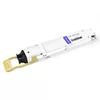
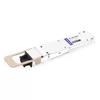
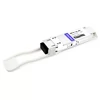
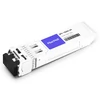
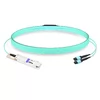
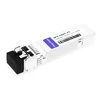
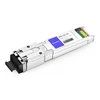
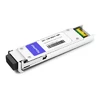
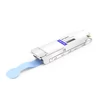
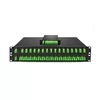
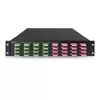
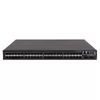
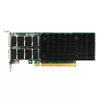
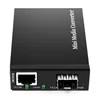
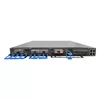
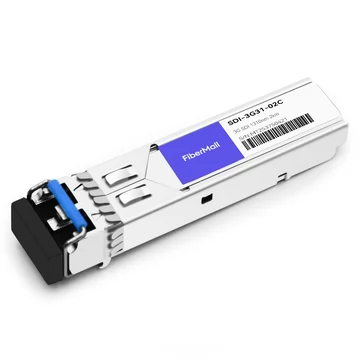
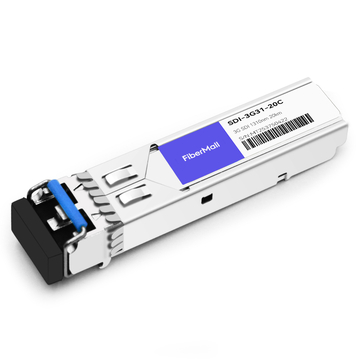
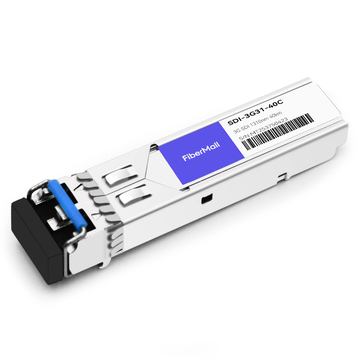
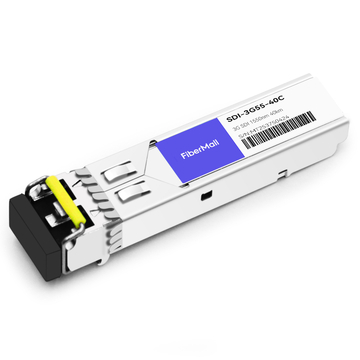
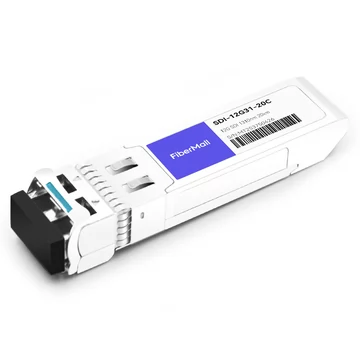
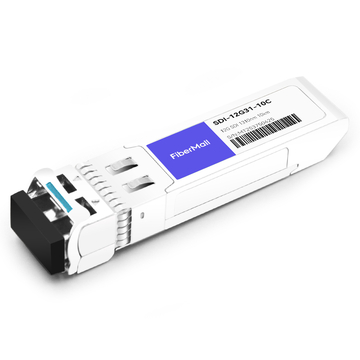
3G/12G SDI SFP Module
In the sphere of modern broadcast and video transmission innovation, the 3G/12G SDI SFP module is fundamental due to its capability of delivering the high-fidelity, high-speed, and high-definition signal transmission required by the market. This device is perfectly engineered to fit into professional video setups, providing exceptional standards of compatibility for both 3G and 12G-SDI systems.
What is an SDI SFP Module?
An SDI SFP is a compact, hot-pluggable transceiver module built for systems that utilize SDI video transmission. Its purpose is to enable the sending and receiving of high-quality video signals over various media, such as fiber optics and different types of copper cables. The module is compatible with multiple SDI formats, including 3G-SDI, 6G-SDI, and 12G-SDI, allowing it to seamlessly integrate into professional broadcasting equipment. Its primary function is to transport high-resolution video signals over long distances, ensuring minimal to no latency without compromising signal integrity.
Introduction to SDI (Serial Digital Interface) and its applications.
Developed by the Society of Motion Picture and Television Engineers (SMPTE), SDI supports the transmission of standard definition (SD) and ultra-high definition (UHD) video, including 4K and 8K, designed specifically for professional video production and broadcasting environments. The Serial Digital Interface (SDI) is a standard used to transfer uncompressed and unencrypted video data, along with embedded audio and metadata. It facilitates high-bandwidth data movement across video networks, relying on high-quality components like SDI SFP modules.
The primary application for SDI video is live broadcast production; it is also heavily utilized in post-production video editing facilities, studio environments for signal distribution, and outside broadcast (OB) setups. It is a robust interface for real-time signals, supporting long-distance transmission without the risk of signal degradation. Furthermore, its various iterations—such as 3G-SDI, 6G-SDI, and 12G-SDI—accommodate the increased data volumes required for higher resolutions and frame rates. Because the interface easily integrates with existing professional video equipment, maintaining its status as an industry standard remains straightforward.
Differences Between 3G and 12G SDI SFP Modules
The major distinction between 3G and 12G SDI SFP modules lies in their data transmission capabilities. A 3G SDI SFP module supports a maximum data rate of 2.97 Gbps and, therefore, is typically used to transmit 1080p video signals at standard frame rates. Conversely, a 12G SDI SFP module handles data rates up to 11.88 Gbps, making it fully capable of transmitting uncompressed 4K video resolutions at higher frame rates.
Key performance differences between 3G and 12G SDI SFP modules.
At the forefront of differentiating 3G and 12G SDI SFP modules is the variance in bandwidth. The maximum data rate for a 3G SDI module is limited to 2.97 Gbps, which supports 1080p HD video at a 60fps frame rate. On the other hand, 12G SDI modules offer a data rate of up to 11.88 Gbps, allowing the transmission of 4K UHD video at 60fps over a single cable. This higher bandwidth streamlines setups by delivering high-resolution content without requiring dual-link or quad-link cable configurations.
Apart from bandwidth, a 12G SDI module maintains highly accurate signal integrity over long distances, though this depends heavily on the quality of the cables used. However, due to higher data rates and more complex internal engineering, the power consumption of a 12G SDI module is generally higher than that of a 3G system. Another critical point is compatibility; while most 12G products are backward-compatible with 3G signals, users may still need to upgrade device firmware or adjust hardware settings to ensure seamless operation.
The Role of SDI SFP Modules in 4K and UHD Video Broadcasting
SDI SFP modules are essential for transmitting high-definition images over long distances due to the massive bandwidth required by 4K and UHD video broadcasting. Their low-profile form factor and support for multiple SDI standards contribute to the highly efficient deployment of 4K and UHD systems. Because they offer near-zero signal deterioration and precise transmission, they are invaluable in live production scenarios where fluctuations in quality cannot be tolerated. SDI SFP modules help broadcasters preserve signal integrity, reduce the number of physical components in a system, and future-proof workflows as new video formats emerge.
How 12G SDI SFP modules handle higher resolutions and frame rates.
Given the high data rates necessary to support 4K/UHD standards and frame rates up to 120fps, the 12G SDI SFP module is a core component in modern setups. These modules are optimized to transmit uncompressed digital signals across broad bandwidths up to 11.88 Gbps. They employ advanced technologies, including forward error correction (FEC), to minimize signal degradation over extended cable runs and maintain optimal performance. Additionally, they are available in both single-mode and multi-mode fiber options, offering flexibility for redundant designs and excellent backward compatibility with legacy infrastructure. Thanks to 12G SDI SFP modules, fewer physical cables are required compared to traditional setups, streamlining workflows while fully meeting the bandwidth demands of contemporary broadcasting.
How to Choose the Right 3G/12G SDI SFP Module for Your Needs
Choosing the right 3G/12G SDI SFP module entails evaluating several factors that determine suitability and functionality. First, consider the required signal transmission rate: is a 3G module sufficient for standard HD workflows, or is a 12G module necessary for 4K transmission? Next, analyze your existing infrastructure to determine whether single-mode or multi-mode fiber is required. It is also critical to verify compatibility with existing hardware, such as routers, production switches, and broadcasting instruments. The deployment distance between network elements must also be accounted for, as different modules support specific operational ranges. Lastly, ensure the module is sourced from a reputable manufacturer to guarantee quality, compatibility, and long-term performance. Following these steps will help you select the most suitable option for your specific operational needs.
Factors to consider when selecting an SDI SFP module.
When selecting an SDI SFP module, the primary factors to consider are compatibility, transmission distance, and performance capabilities. Ensuring compatibility with current hardware prevents installation bottlenecks, while verifying the module's rated distance ensures reliable coverage across your setup. Match the module's throughput to your application's resolution requirements—whether utilizing 3G-SDI, 6G-SDI, or 12G-SDI—to guarantee adequate bandwidth and low latency. Furthermore, choosing a reliable manufacturer is essential; reputable vendors adhere to strict industry quality standards, ensuring hardware durability and consistent functionality. Carefully weighing these variables ensures the selected module meets current system demands while accommodating future expansions.
Installation and Maintenance of SDI SFP Modules
To install an SDI SFP module safely, first power down the host device to prevent electrical damage. Align the module correctly and slide it carefully into the designated SFP port to avoid damaging the internal pins. Ensure it is fully seated and locked in place according to the manufacturer's instructions before powering the host device back on. Once booted, verify that the system recognizes the new module using built-in hardware diagnostics or management software.
In terms of maintenance, regularly inspect the module and its ports for dirt, dust accumulation, or physical damage. Always use dedicated optical or copper cleaning tools to clear debris and prevent signal loss. If performance noticeably drops—such as increased latency or frequent connection drops—the module should be replaced. For both installation and maintenance, strictly adhering to the manufacturer's guidelines is the best way to ensure optimal device lifespan and performance.
Step-by-step guide to safely installing an SDI SFP module.
Shut Down the Host Device
Switch off the power to the host device to prevent electrical shock and protect the hardware during installation.
Inspect the SFP Module
Remove the SDI SFP module from its packaging and inspect it for any visible physical damage. Verify via the user manual that the module matches the correct specifications and form factor for your host device.
Clean the Connectors
Clean the optical or copper connectors using recommended industry cleaning tools to remove any contaminants that could degrade signal delivery.
Insert the Module Correctly
Align the SDI SFP module with the device port. Slide it gently but firmly into the slot until you feel or hear the module click securely into position. Never force the module, as excessive pressure can damage both the transceiver and the port.
Secure the Latch
If the module features a locking bale clasp or latch mechanism, ensure it is fully closed to secure the transceiver in place.
Attach the Cable
Connect the appropriate SDI or fiber cable to the module. Ensure the connector slides in smoothly without placing unnecessary physical strain on the port.
Power On the Device
Once the hardware is securely installed, switch on the host device. Allow the system time to initialize and detect the newly installed module.
Run Diagnostic Verification
Use the device's software interface or run a diagnostic test to confirm the module is functioning correctly. Resolve any initial faults, such as dropped connections or unrecognized hardware alerts.
Log the Installation
Record key installation data—such as the module type, serial number, and date of installation—in your system maintenance log for future reference and troubleshooting.
Frequently Asked Questions (FAQs)
What does a 3G/12G SDI SFP Module do?
3G/12G SDI SFP modules are used to transmit and receive professional video content over long distances. They are engineered to keep signal degradation to an absolute minimum during transmission. As compact transceivers supporting standard SDI video interfaces, they are widely integrated into broadcast infrastructure and professional production equipment.
What is the main difference between 3G SDI and 12G SDI modules?
The primary difference is the bandwidth capacity each module handles. A 3G-SDI module is limited to a 3 Gbps data rate, meaning it supports video resolutions up to standard HD (1080p). Conversely, a 12G-SDI module supports a 12 Gbps bandwidth, allowing it to easily transmit uncompressed 4K UHD video streams.
What should be considered when installing an SDI SFP module?
During installation, ensure the module is fully compatible with your host hardware, verify that system parameters (like data rates and signal formats) match your workflow needs, and confirm the module is securely seated in the SFP slot. Additionally, always inspect cables and connectors for cleanliness and physical integrity to prevent connectivity issues.