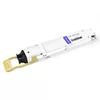
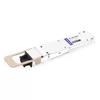
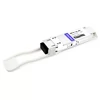
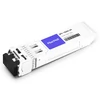
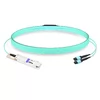
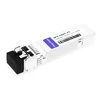
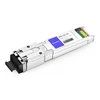
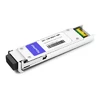
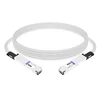
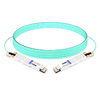
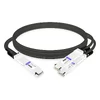
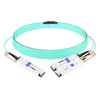
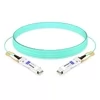
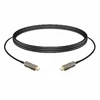
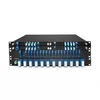
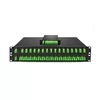
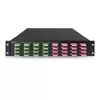
Loopback Module
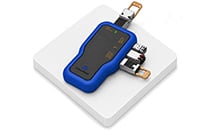
The Loopback Module is an essential component in modern computation and communication systems for efficient network operation and internal testing. It provides a mechanism that enables packet movement within the network without consuming external resources.
Introduction to the Loopback Module
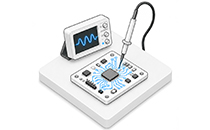
Network systems would not function effectively without the Loopback Module, which evaluates and analyzes device performance by sending signals to and from the same source. This allows operators or users to assess data integrity, identify problems, and monitor network health even without external systems or live traffic. By handling all network issues within a single location, the Loopback Module enables effective diagnosis and contributes to optimal system performance, making it an indispensable asset in managing complex IT frameworks.
Definition and purpose of a loopback module.
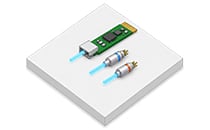
Loopback modules come in many types based on construction, supported equipment, and interfaces such as Ethernet, fiber optic, and serial. This diversity is essential because today’s equipment and networks vary widely. Loopback modules are mainly used to test networking equipment such as routers, switches, or transceivers in loopback mode. They send predefined test signals to verify signal integrity, confirming or identifying issues with the physical port or link. As a result, Loopback Modules are widely used in enterprise and telecommunications networks for troubleshooting, new network deployment, and routine maintenance.
How Does a Loopback Module Work?
The basic principle of a Loopback Module is a closed circuit where the signal is returned directly from the output to the input. The module closes the loop to test the device’s ability to transmit and receive signals. This closed-loop feedback structure allows maintenance teams to check port condition, detect errors, and evaluate overall signal quality. It enables device diagnostics without connecting to an external network.
Detailed explanation of the operating mechanism.
Signal loopback works by rerouting the transmitted signal back to the same device and directing it into the receiving port. This is achieved with a loopback connector or a device with built-in loopback capability. When activated, the outgoing signal from the output port is fed back internally or via the Loopback Module to the device’s input port. This operation allows diagnostic testing to verify signal parameters such as quality, strength, latency, and data loss.
The functionality relies on transceivers that convert electrical and optical signals and include built-in error correction. During testing, the loopback connection operates in an isolated environment that simulates real traffic conditions. Thermal performance also serves as an indirect indicator of signal and port quality. Thus, the Loopback Module plays a key role in hardware fault diagnosis and communication protocol compliance.
Applications of Loopback Modules in Networking
The Loopback Module remains essential for testing and maintaining networking equipment. It provides a simple and effective way to check ports on switches, routers, and other components by verifying the transmission path. Functional testing of ports before deployment reduces operational downtime and prevents malfunctions. Moreover, these modules are critical for signal verification and network performance evaluation, making them vital for efficient network management and troubleshooting.
Use cases in fiber optic networks and Ethernet systems.
Loopback modules are commonly used for diagnostics and performance evaluation in Ethernet systems and fiber-optic networks. In fiber optic networks, they test signal transmission, attenuation, and reflections to ensure optical parameters are correct. They are used in the initial phase to verify that all fiber channels and connections are healthy before normal operations begin. In high-speed Ethernet implementations such as 10GbE or 40GbE, Loopback Modules are deployed to test every port, NIC, or switch under load without actual users. These scenarios reduce operational risk, improve failure handling, and enhance overall network resiliency.
Advantages of Using Loopback Modules
Loopback modules are critical for ensuring networks perform optimally. They simulate operational conditions without requiring actual network hardware, simplifying hardware diagnostics and quickly identifying weak points, which reduces recovery time. Furthermore, the Loopback Module is integral to verifying data transmission and system performance in high-speed networking, thereby increasing productivity and assuring network stability.
Key benefits of network performance monitoring.
Fault-Finding and Remedies
Monitoring network performance allows faults and fault-prone areas to be identified before they escalate. Monitoring traffic behavior enables staff to address problems proactively, minimizing interruptions and costly downtime.
Augmented Network Performance
Advanced monitoring systems let network managers observe real data exchange, device statistics, and other network aspects. This improves fault detection efficiency and enables better resource optimization based on traffic patterns and performance metrics.
Superior System Stability and Uninterrupted Operation
Monitoring tools enhance system stability by tracking behavior over time and ensuring performance stays within acceptable limits. This prevents sudden downtime and keeps services continuously available to users.
Perfect Resource Utilization
Loopback testing combined with monitoring tools delivers actionable insights to optimize bandwidth, storage, and network device usage. This saves resources and ensures utilization aligns with operational needs.
Enhanced Security Capabilities
Continuous monitoring helps identify anomalous patterns such as security gaps, unauthorized access, or unusual traffic spikes, enabling rapid response to security events and strengthening overall network resilience.
Improve the User Experience
By ensuring the network operates smoothly and resources are properly utilized, organizations can deliver better service to users by reducing response times, downtime, and communication issues. This results in improved user satisfaction and higher productivity.
Choosing the Right Loopback Module
Assess the necessity and suitability of a Loopback Module based on the specific network requirements. When selecting one, verify compatibility with existing hardware, bandwidth, and interface needs. Also evaluate loop handling capability, network emulation features, and troubleshooting effectiveness. Choose high-quality, industry-standard modules from trusted vendors for greater precision and consistency. Compare each module’s specifications against the intended application to ensure full compatibility.
Factors to consider when selecting a Loopback Module (e.g., compatibility, signal type, port configurations).
Key considerations for choosing the appropriate Loopback Module include:
Compatibility
The Loopback Module must be compatible with the target equipment or system. This includes interface types such as SFP, QSFP, and RJ45, as well as supported protocols and standards like Ethernet, Fibre Channel, and InfiniBand.
Signal Type
Confirm the module supports the required signal type (electrical or optical). For optical modules, verify wavelength and fiber type (single-mode or multi-mode) to prevent transmission issues.
Port Configurations
Evaluate the number and placement of ports, physical dimensions (e.g., CFP vs. QSFP28), and bandwidth ratings (e.g., 1Gig, 10Gig) to ensure they match system requirements.
By considering these factors, the selected Loopback Module will deliver high performance with minimal impact and integrate seamlessly into existing networks without added cost.
Frequently Asked Questions (FAQs)
What is the primary purpose of a Loopback Module?
The primary purpose of a Loopback Module is to test and verify network port performance and integrity. It enables network administrators to detect potential issues, confirm signal correctness, and check compliance with transmission standards.
Is there anything special that needs to be considered in case of high-speed applications?
For high-speed applications, factors such as thermal performance, power consumption, and support for higher data rates must be considered. High-speed modules typically include enhancements for improved reliability and efficiency.
Is the Loopback Module capable of such functionality?
Network Loopback Modules provide basic send-and-receive signal testing but do not simulate actual traffic between nodes. Additional tools are required for full traffic simulation and network stress testing.
Why is power dissipation critical in Loopback Modules?
Power consumption is critical in dense or mission-critical environments. Select models with high thermal efficiency to prevent overheating, which could degrade performance.